

 English
 русский
 Español
Flat Screwdriver Sizes: What the Numbers Actually Mean
Flathead (slotted) screwdriver sizes are defined by two measurements: blade width (the tip-to-tip span across the flat) and blade thickness (the depth of the slot engagement). Both dimensions must match the screw slot — a blade too wide overhangs the head and mars the workpiece; one too narrow rocks in the slot and rounds out the edges.
Standard flathead sizes used in general trade and consumer tools follow this practical range:
| Blade Width | Typical Screw Size Range | Common Application |
|---|---|---|
| 2.0 mm (5/64") | M1 – M1.6 / #0 – #1 | Eyeglasses, watchbands, miniature electronics |
| 2.5 mm (3/32") | M1.6 – M2 / #2 – #3 | PCB terminal blocks, small appliance covers |
| 3.0 mm (1/8") | M2 – M2.5 / #4 – #5 | Electrical outlet screws, small hinges |
| 4.0 mm (5/32") | M3 – M3.5 / #6 – #8 | Light switches, junction boxes, hardware |
| 5.5 mm (7/32") | M4 – M5 / #10 – #12 | Conduit fittings, panel screws, cabinet hinges |
| 6.5 mm (1/4") | M5 – M6 / #14 and above | Heavy terminal screws, large electrical enclosures |
| 8.0 mm (5/16") | M6 – M8 / 1/4" and above | Industrial terminal lugs, switchgear |
For general electrical work, a three-piece set covering 3.0 mm, 4.0 mm, and 5.5 mm handles the vast majority of terminal, outlet, and breaker panel screws encountered in residential and light commercial installations.
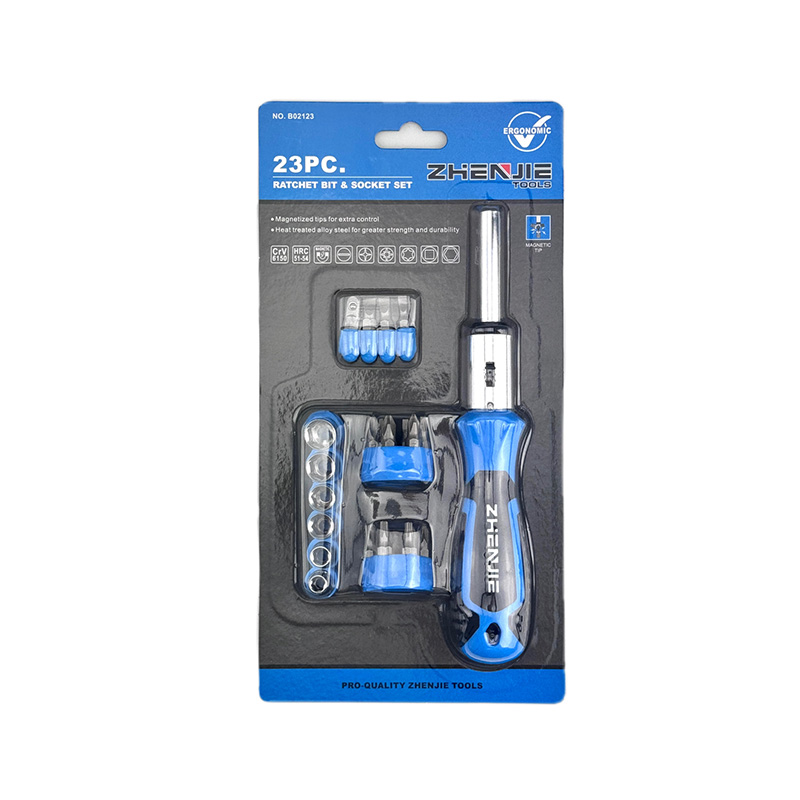
Phillips Screwdriver Sizes: PH0 Through PH4 Explained
Phillips screwdrivers are sized on a numbered system from PH0 (smallest) to PH4 (largest). The number corresponds to the width and angle of the cross recess — a larger number means a wider cross and a proportionally larger screw diameter. Using a PH1 bit in a PH2 recess is one of the most common causes of stripped cross-head screws, as the undersized tip contacts only the outer edges of the recess rather than engaging the full drive faces.
- PH0: M1.6 – M2 screws. Miniature electronics, circuit boards, small precision instruments. Often interchangeable with JIS #0 in Japanese products, though the fit is imperfect.
- PH1: M2 – M3.5 screws. Laptop and desktop computer assembly, eyeglass hinges, small appliances. The second most commonly needed size in consumer electronics repair.
- PH2: M3.5 – M5 screws. The single most universal Phillips size. Cabinetry, general construction, automotive interior trim, flat-pack furniture, and the majority of household hardware use PH2 fasteners.
- PH3: M5 – M8 screws. Heavy construction hardware, large appliances, automotive underhood fasteners, and structural furniture frames. Less commonly encountered but essential for high-torque applications.
- PH4: M8 and larger. Rare in general use; found in some heavy industrial equipment and oversized structural fasteners. Few consumer screwdriver sets include this size.
A practical note for cross-head work: Pozidriv (PZ) and Phillips share the same numbering system but are not interchangeable. PZ bits have four additional contact points and a slightly different flank angle. Using a Phillips bit in a Pozidriv recess reduces contact area by roughly 50%, significantly increasing cam-out risk — particularly relevant for European construction screws and flat-pack hardware where PZ2 is the standard.
Torx Screwdriver Sizes: How Many Are There and Which Do You Need?
The Torx drive system spans 27 standard sizes, from T1 through T100, defined by the inside diameter of the six-pointed star recess. Each step up in Torx number represents a larger recess diameter and higher torque capacity. In practice, however, fewer than ten sizes account for the overwhelming majority of real-world fasteners.
The most commonly encountered Torx sizes by application:
- T6 / T7 / T8: Consumer electronics — MacBook internals, game console housings (Xbox, PlayStation), some camera bodies, and hard drive platters. T8 is particularly critical for game console battery replacement.
- T10: Hard drive enclosures, small automotive sensors, some bicycle component bolts, and laptop hinges. One of the most frequently needed sizes in general electronics servicing.
- T15: Automotive brake caliper guide pins (especially Ford and GM platforms), power tool gear assemblies, and some bicycle disc brake mounts.
- T20: Automotive door panels, interior trim clips, and dashboard components. Also common in household appliances (washing machines, dishwashers) and outdoor power equipment.
- T25: Automotive underhood fasteners, exhaust system hardware, bicycle cassette lockrings, and general outdoor/power equipment. The largest size regularly needed for vehicle work.
- T27 / T30: Heavy automotive applications, larger power tools, and industrial machinery panels.
- T40 – T55: Heavy equipment, truck drivetrain components, and structural automotive fasteners including wheel bearing hub bolts on certain European platforms.
For a workshop covering automotive, electronics, and home appliance repair, a nine-piece set from T6 to T40 covers approximately 95% of encountered Torx fasteners. Sizes T47, T50, T55, and T60 extend coverage to heavy vehicle and agricultural equipment. T70–T100 are specialized industrial sizes rarely needed outside heavy manufacturing environments.
Torx Self-Tapping Screws: Drive Compatibility and When to Use Them
Torx self-tapping screws combine the high-torque, no-cam-out drive system of the Torx recess with a thread form that cuts its own mating thread into the base material — eliminating the need for pre-drilled and tapped holes. They are increasingly the preferred fastener in automotive plastic-to-metal applications, sheet metal assemblies, and construction framing hardware, where installation speed and fastener security both matter.
The combination of Torx drive and self-tapping thread is particularly effective because the high torque transfer of the six-lobe recess is directly useful here: self-tapping screws by definition require more rotational force during installation than standard machine screws, since they are simultaneously driving and forming threads. The Torx system's cam-out resistance allows full installation torque to be transmitted without tip slippage, which would leave the screw only partially seated and the formed thread incomplete.
Common Torx self-tapping configurations include:
- Type A / AB (sheet metal): Wide, coarse threads that cut into thin-gauge steel, aluminum, and plastic. Common in HVAC ductwork, automotive body panels, and electrical enclosures. Typical sizes T10–T25.
- Type B / BT (plastic-specific): Optimized thread pitch and flank angle for thermoplastic materials, reducing the risk of boss cracking during installation. Used extensively in automotive interior components and consumer appliance housings.
- Torx structural screws (construction): Large-diameter, coarse-thread self-tappers with T20–T30 drives used in timber framing, deck construction, and structural connections. Their design eliminates pre-drilling in many soft-to-medium timber applications.
Drive size selection for Torx self-tapping screws follows the same standard Torx sizing chart — a #8 sheet metal screw typically uses a T15 or T20 drive, while larger structural screws (#10–#14) typically use T25 or T30. Always verify the drive size against the specific product specification, as manufacturers vary.
Electric Screwdriver Bits: Choosing the Right Set for Power Tools
Electric screwdriver bits — whether for cordless drills, dedicated electric screwdrivers, or power drivers — are standardized on a ¼" (6.35 mm) hex shank that fits the quick-release chucks used across virtually all modern power drivers. The key variables are bit material, length, and impact rating.
Bit Length Categories
- 25 mm (1") standard bits: The most common format. Used in bit holders and short-reach applications. Standard for high-volume fastening tasks where bit changes are infrequent.
- 50 mm (2") bits: Extended reach for recessed fasteners, deep counterbores, and situations where the driver body would otherwise contact the workpiece edge.
- 65–150 mm long bits: Used with extension holders for access to deep or angled fasteners in cabinets, automotive interiors, and framing applications.
- Power bit holders with flexible shafts: Allow driving at angles up to 45° in confined spaces. Essential for cabinetry installation and automotive work where direct axial access is restricted.
Impact-Rated vs. Standard Bits
Impact-rated bits are a non-negotiable requirement for use with impact drivers. An impact driver delivers torque in short, rapid hammer pulses rather than continuous rotation. Standard bits — made from hardened, brittle steel — fracture under these cyclic shock loads, often sending tip fragments into the work area. Impact bits use a torsion zone: a reduced-diameter section between the shank and the working tip that acts as a controlled torsional spring, absorbing pulse energy elastically instead of cracking. Impact bits are identifiable by their black oxide or gold-colored finish and are typically made from S2 modified steel or proprietary alloys rated for 50+ Nm cyclic impact loads.
For general electric screwdriver (non-impact) use, standard CRV (chrome-vanadium) or S2 steel bits offer excellent durability. A comprehensive electric screwdriver bit set for mixed professional use should include at minimum: Phillips PH1/PH2/PH3, Pozidriv PZ1/PZ2/PZ3, flathead 4 mm/5.5 mm/6.5 mm, Torx T10/T15/T20/T25/T30, and hex 2/2.5/3/4/5/6 mm — covering the full range of fasteners in construction, joinery, and light manufacturing.
Impact Screwdriver Socket Sets: Drive Sizes, Materials, and Selection
An impact screwdriver socket set — more precisely an impact socket set — consists of sockets engineered to withstand the cyclic shock loading of air or electric impact wrenches. Standard chrome-plated sockets used with ratchets are made from chrome-vanadium steel hardened for wear resistance but not toughness; under impact loads they crack rather than flex, creating a fragmentation hazard. Impact sockets are made from chrome-molybdenum (Cr-Mo) steel, heat-treated to a lower hardness that allows elastic deformation under shock loads without fracture.
Impact socket sets are available in three drive sizes, each suited to a different torque range:
- ¼" drive: Up to approximately 50 Nm. Suitable for small fasteners, electronics, and light automotive trim. Paired with compact impact drivers for precision work.
- ⅜" drive: Up to approximately 200 Nm. The most versatile size, covering general automotive maintenance — brake hardware, suspension bolts, intake manifolds, and most engine accessories. A ⅜" impact socket set in 8–22 mm (or 5/16"–7/8") handles roughly 80% of passenger vehicle fasteners.
- ½" drive: Up to 700+ Nm depending on impact wrench specification. Required for wheel lug nuts, axle nuts, suspension strut bolts, and heavy truck hardware. A ½" set in 17–36 mm (or 11/16"–1⅜") is the standard for tyre shop and heavy vehicle work.
Wall thickness is a key differentiator in impact socket sets. Thin-wall sockets allow access in confined spaces (wheel arches, tight engine bays) but reduce structural margin at very high torques. For general automotive use, a standard-wall ⅜" or ½" set is the better choice; thin-wall variants should be reserved for specific access-constrained applications.
Security Torque Screwdrivers: Controlled Tightening with Tamper Resistance
A security torque screwdriver combines two distinct functions: torque-limiting (it stops applying force once a preset value is reached) and tamper-resistant drive compatibility (it accepts security bits such as Torx Security, Pentalobe, Tri-Wing, or Spanner). These tools are essential wherever both precise fastening torque and access restriction are required simultaneously — medical device assembly, consumer electronics manufacturing, and facilities maintenance are the primary professional contexts.
Torque Limiting Mechanisms
Most torque-limiting screwdrivers use one of two mechanisms:
- Slip-clutch (preset): A spring-loaded ball or roller mechanism disengages when the target torque is reached, producing a distinct click and allowing the handle to rotate freely without transmitting force to the bit. Common in assembly line tools where operators should not need to judge feel. Typical preset range: 0.05–10 Nm for precision electronics; 1–25 Nm for general assembly.
- Adjustable torque (dial or sleeve-set): The torque threshold is user-adjustable within a specified range, allowing the same handle to serve multiple fastener specifications across a product line. Requires periodic recalibration — typically every 5,000 cycles or annually in production environments per ISO 6789 guidance.
Security Bit Compatibility
Security torque screwdrivers accept ¼" hex shank bits, making them compatible with any security bit in that shank format. For Torx Security (TR) fasteners — the most common tamper-resistant type in commercial facilities — TR6 through TR25 cover virtually all encountered sizes. A torque screwdriver set paired with a Torx Security bit set (TR6/TR8/TR10/TR15/TR20/TR25) and a Pentalobe set (PL1/PL4/PL5 for Apple products) provides comprehensive coverage for electronics servicing, facilities maintenance, and light manufacturing QC work.
In medical device assembly and aerospace subcontracting, torque screwdrivers are subject to mandatory calibration documentation. Calibrated torque screwdrivers with traceable certificates are a regulatory requirement under ISO 13485 (medical devices) and AS9100 (aerospace), not merely a best practice. For these applications, select tools from manufacturers who provide NIST-traceable calibration documentation and offer recalibration services at defined intervals.