

 English
 русский
 Español
The Standard Screwdriver and Its Blade: Flat, Cross, and Everything Between
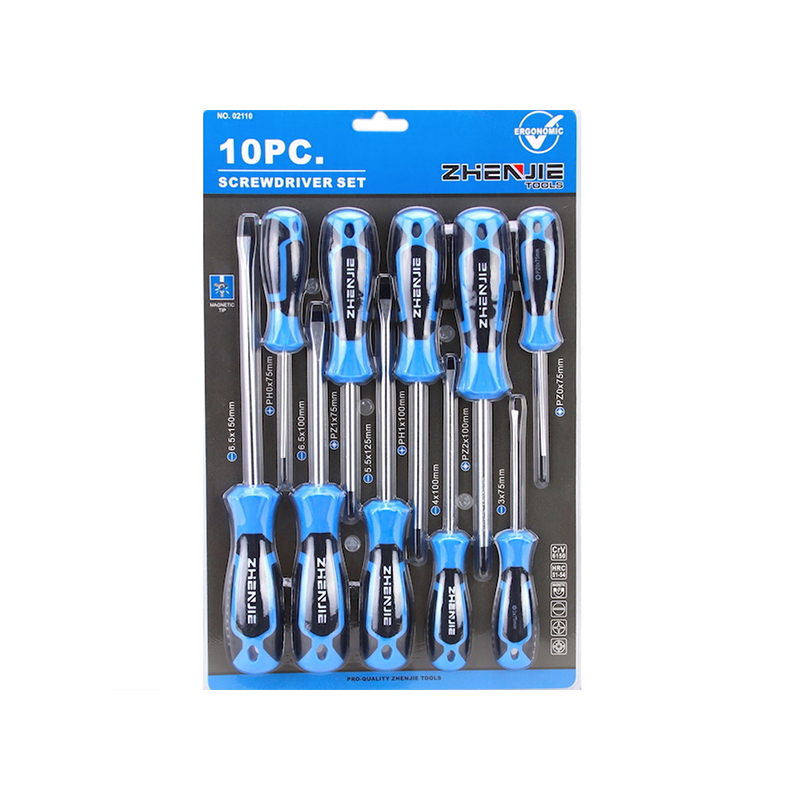
The standard screwdriver — the one most people picture first — has a flat, single-slot blade. This is the slotted or flat-head screwdriver, and its blade is a simple, straight, rectangular edge ground to fit a single linear groove cut across the screw head. It's the oldest screwdriver design still in common use, predating every cross-recess drive by centuries.
Slotted blades come in two key dimensions: blade width and blade thickness. Both must match the screw slot for the driver to transfer torque efficiently without slipping. A blade that's too narrow rocks in the slot and damages the edges; one that's too wide overhangs the head and mars the surrounding surface. The correct fit is flush — the blade fills the slot across its full width without overhang.
Beyond the slotted blade, the other dominant standard is the cross-recess family — a group of drive types that look similar but are dimensionally distinct and not reliably interchangeable. Understanding the difference between them is practical knowledge for anyone working with fasteners regularly.
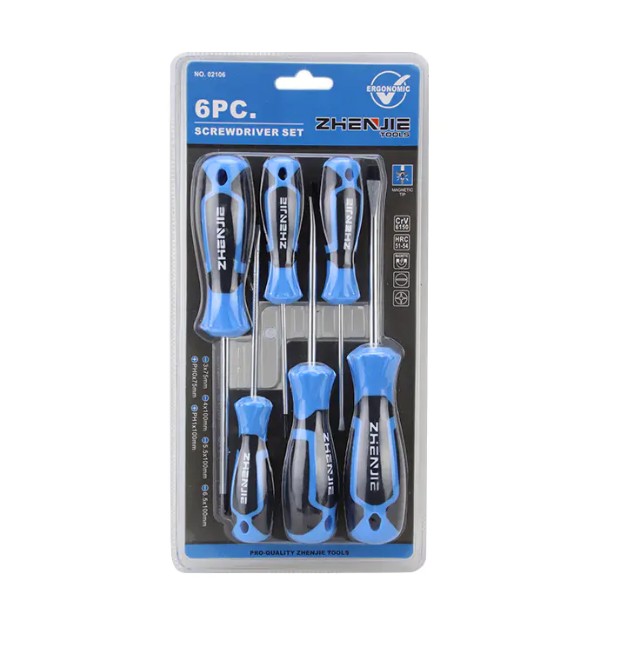
Phillips vs. Crosshead: They Are Not the Same Thing
This is one of the most common and consequential misconceptions in everyday tool use. "Phillips" and "crosshead" are frequently used as if they mean the same thing. They don't — and using the wrong driver causes cam-out, damaged screw heads, and stripped fasteners.
Phillips is a specific, patented cross-recess drive design developed by Henry F. Phillips in the 1930s. It's characterized by tapered flanks — the walls of the recess angle inward from the opening toward the bottom. This taper is intentional: it causes the driver to cam out (eject upward) under high torque, which was originally a feature, not a bug, in early production line assembly where over-torquing was a bigger problem than stripped heads. Phillips drivers are sized #0 through #4, with #2 being by far the most common in general use.
Crosshead is a broader, informal term for any cross-shaped recess drive. In some markets — particularly the UK — "crosshead" is used colloquially to mean Phillips specifically, which adds to the confusion. But technically, there are multiple cross-recess standards with different geometries:
- Pozidriv (PZ) — the most important distinction from Phillips. Pozidriv has straight, non-tapered flanks and an additional set of smaller ribs at 45° to the main cross. This eliminates cam-out entirely and allows much higher torque transfer. Pozidriv screws have a small asterisk or dash marks around the recess to identify them. Using a Phillips driver on a Pozidriv screw (or vice versa) at high torque will strip the head.
- Supadriv — an evolution of Pozidriv with slightly more driver tip clearance. Compatible with Pozidriv drivers in most practical situations.
- JIS (Japanese Industrial Standard) — common in Japanese-manufactured vehicles and electronics. Looks nearly identical to Phillips but has a shallower, more squared recess. Using a Phillips driver on JIS screws is a reliable way to strip them; dedicated JIS drivers are inexpensive and worth having.
The practical rule: if you're working on European furniture, construction screws, or plumbing fittings, the cross-recess fasteners are almost certainly Pozidriv. If you're working on electronics, appliances, or North American-manufactured hardware, they're most likely Phillips. When in doubt, look for the identifying marks on the screw head before applying torque.
| Drive Type | Flank Shape | Cam-Out | Common Use | Identifier |
|---|---|---|---|---|
| Phillips | Tapered | Intentional | Electronics, NA hardware | Plain cross recess |
| Pozidriv | Straight | None | European construction, furniture | Cross + 45° ribs / asterisk |
| JIS | Squared, shallow | Low | Japanese vehicles, electronics | Small dot near recess |
| Slotted | Flat blade | High | Legacy hardware, electrical | Single straight slot |
What Screwdrivers Are Used on Phillips Head Screws
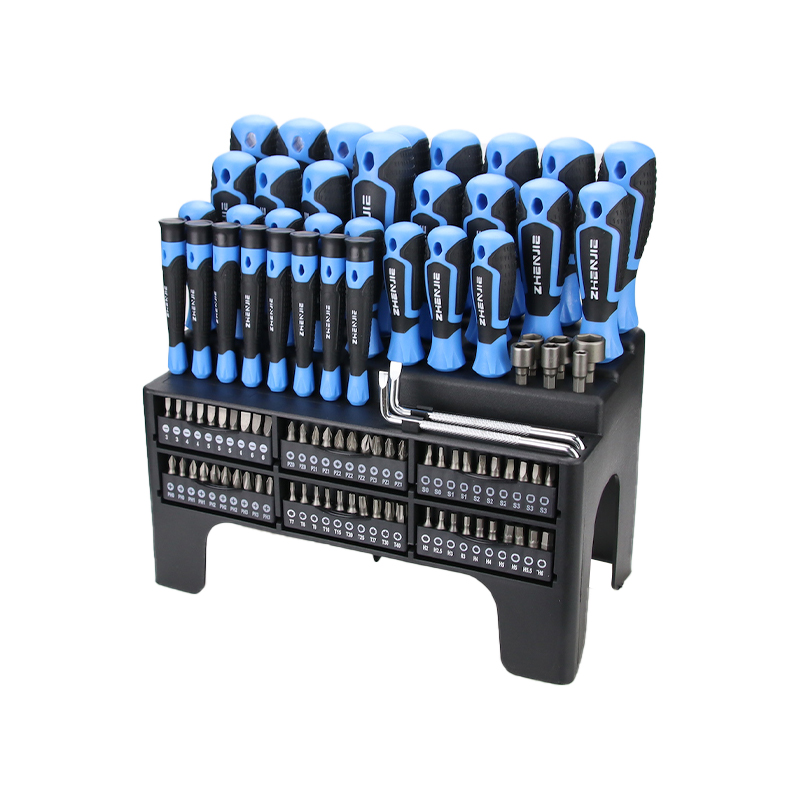
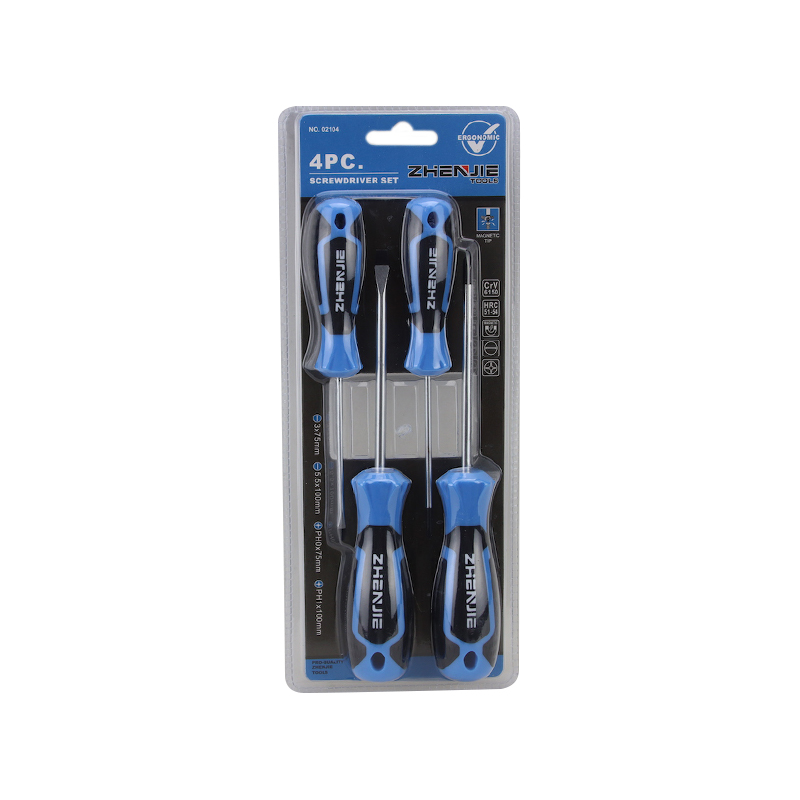
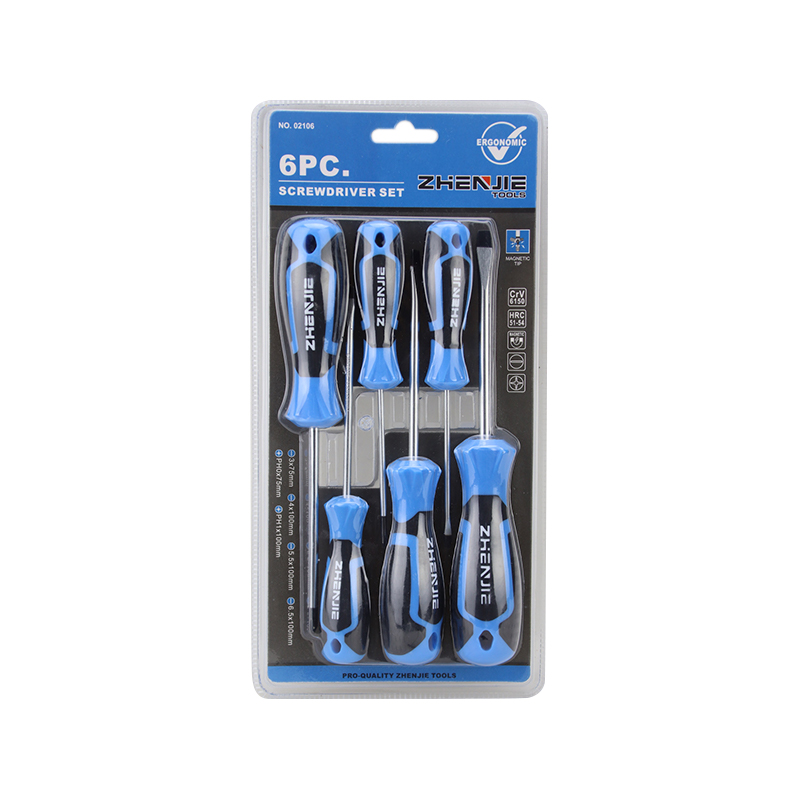
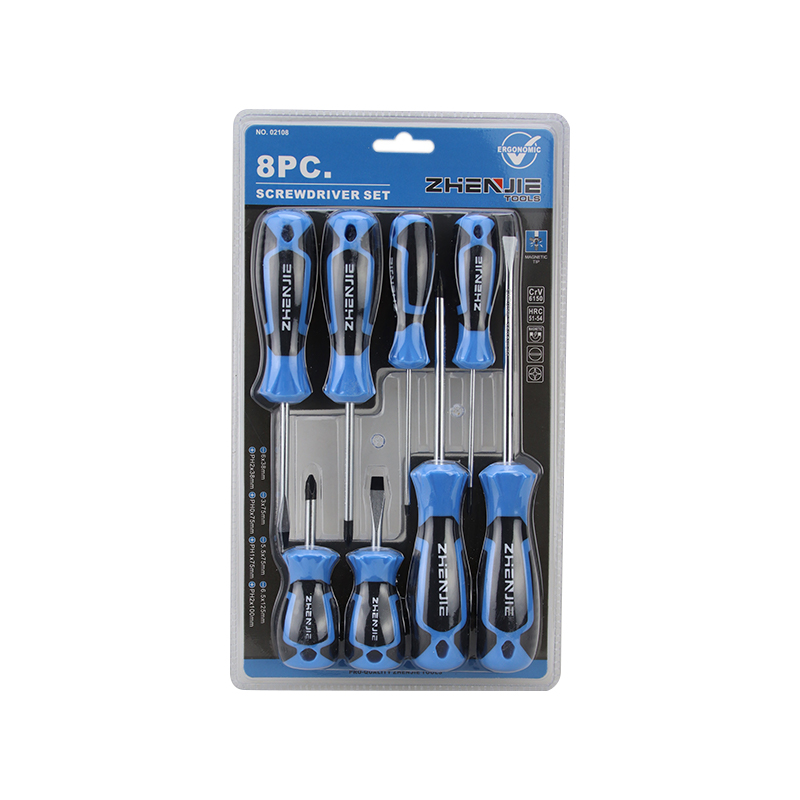
A Phillips head screw requires a Phillips screwdriver — specifically, one matched to the correct size number. The most common sizes in household and trade use are:
- #1 Phillips (PH1) — small screws found in electronics, eyewear, and light fixtures. The tip is noticeably narrow.
- #2 Phillips (PH2) — the most universal size. Covers the majority of wood screws, drywall screws, and general fasteners in construction, furniture assembly, and appliance repair.
- #3 Phillips (PH3) — large screws in structural applications, decking, and heavy hardware. Noticeably larger tip than PH2.
The screwdriver tip must be in good condition to properly engage a Phillips head. Worn tips — rounded off at the point, with blunted flanks — are the leading cause of cam-out in Phillips driving. A new or unworn PH2 tip seats cleanly into the recess with the flanks fully in contact; a worn tip rides up the tapered walls and ejects under load, rounding the screw head in the process. Replacing bits regularly is cheaper than extracting stripped screws.
For power driving with an impact driver or drill, Phillips bits with torsion zones — a reduced-diameter section of the shank that absorbs impact energy — significantly outperform standard bits. They flex rather than transmit shock to the screw head, reducing cam-out substantially even at high torque settings.
Drill Bits for Screw Heads: Countersinking, Clearance Holes, and Extraction
Several distinct drill bit types interact with screw heads, each for a different purpose. Conflating them leads to the wrong tool for the job.
Countersink Bits
A countersink bit creates a conical recess at the surface of a material so a flat-head (countersunk) screw sits flush or below flush. The cone angle matches the underside angle of the screw head — 82° for most imperial fasteners, 90° for metric. Using the wrong angle leaves the screw head either proud of the surface or rocking in a recess that doesn't fully support it. Combination pilot/countersink bits drill the pilot hole and countersink simultaneously, saving a tool change.
Clearance Hole Bits
A clearance hole is drilled through the top piece of material in a two-piece joint so the screw shank passes through freely without threading into it — allowing the threads to pull only the bottom piece, drawing the joint tight. The clearance hole diameter matches the screw's outer (thread) diameter. Without a clearance hole in the top piece, the screw threads both materials equally and the joint never fully closes.
Counterbore Bits
Where a countersink creates a cone, a counterbore creates a flat-bottomed cylindrical recess — used for socket-head (hex cap) screws, pan head screws recessed below the surface, and wood plugs that cover screw heads for a clean finish. The recess diameter matches the screw head diameter; a pilot hole runs through the center.
Screw Extractor Bits
When a screw head is stripped beyond recovery with a standard driver, extractor bits remove it. The process: drill a small hole into the center of the stripped head using a left-hand twist drill bit (which sometimes backs the screw out on its own as it cuts), then drive the tapered extractor — which has reversed, left-hand spiral flutes — into the hole. As the extractor is turned counterclockwise, its flutes bite deeper and back the screw out. Extractors only work when the screw shank is intact; a snapped screw requires a different approach.
Choosing and Maintaining the Right Screwdriver for the Job
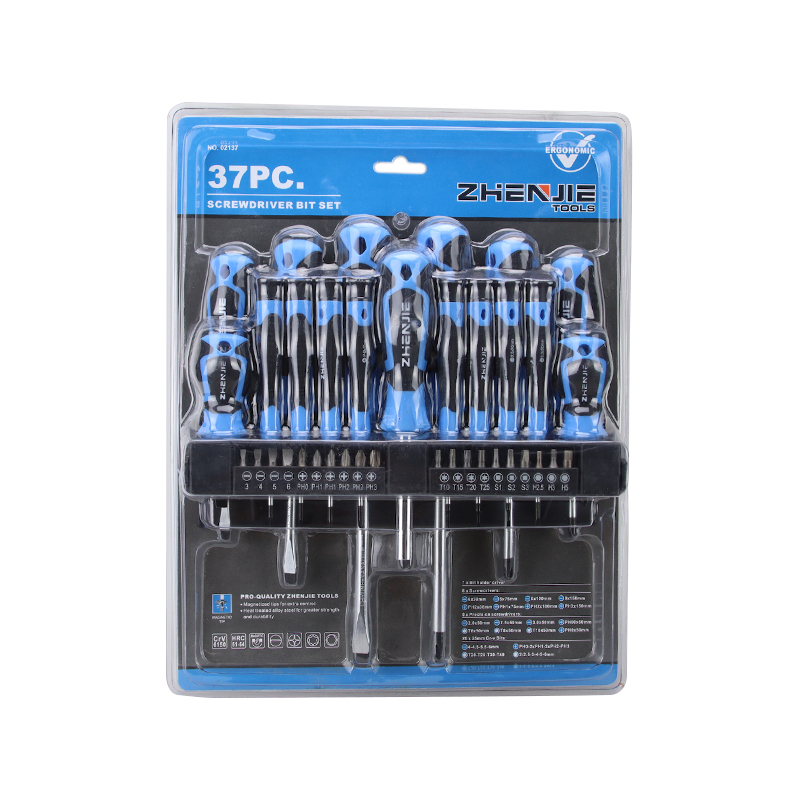
Driver selection comes down to three variables: drive type, size, and handle ergonomics. Getting the first two right is non-negotiable; the third affects fatigue and control over a full workday.
For hand driving, a quality screwdriver will have a tip manufactured from hardened tool steel (S2 or chrome-vanadium alloy) with precisely machined flanks that fit the screw recess tightly. Cheaper drivers use softer steel that rounds off quickly. The handle should provide both grip and torque — a larger diameter handle multiplies torque for the same hand force, which matters when driving long screws into hardwood by hand.
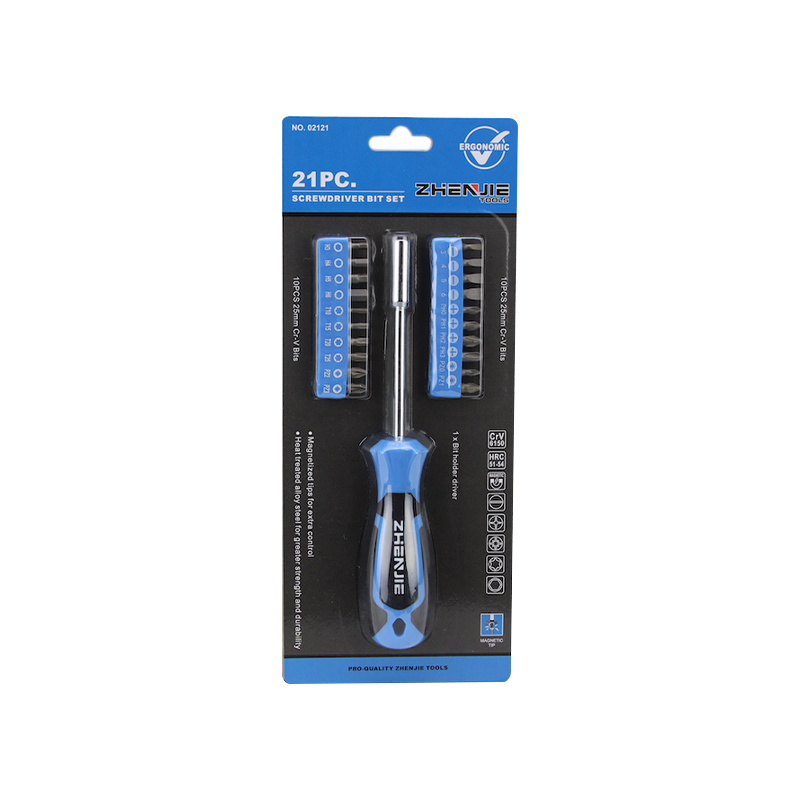
For power driving, bits are consumables. A set of impact-rated PH2 bits in a 25 mm length will outlast standard bits by a significant margin, but even impact-rated bits dull after a few hundred fasteners in hardwood or structural lumber. Keeping spare bits on hand and replacing them at the first sign of slipping saves far more time than running a worn bit to destruction.
One underrated practice: match the driver to the material being fastened, not just the screw head. Drywall requires controlled torque to seat the head just below the paper without tearing through it — a drill with a clutch set appropriately does this repeatably. Cabinet screws in hardwood benefit from a slow-speed, high-torque setting to avoid snapping the screw shank. Precision electronics require a low-torque hand driver or a torque-limiting driver — impact drivers have no place near motherboards or aluminum housings.