

 English
 русский
 Español
What a Ratchet Bit Set Actually Solves
A ratchet bit set pairs a compact ratcheting handle with a curated collection of interchangeable bits, letting one tool cover slotted, Phillips, hex, Torx, and square-drive fasteners without swapping screwdrivers. The core advantage is speed: a ratchet mechanism turns a fastener with short back-and-forth strokes instead of full rotations, which matters most in tight enclosures — electrical panels, engine bays, server racks, furniture assembly points — where a full 360° swing of a standard screwdriver simply isn't possible.
Sets typically range from 20 to over 100 pieces, but piece count is a weak indicator of usefulness. A 45-piece set with duplicate Phillips bits in three sizes is less practical than a 28-piece set covering every common Torx, hex, and square profile once. The better selection criterion is bit coverage, not bit quantity.
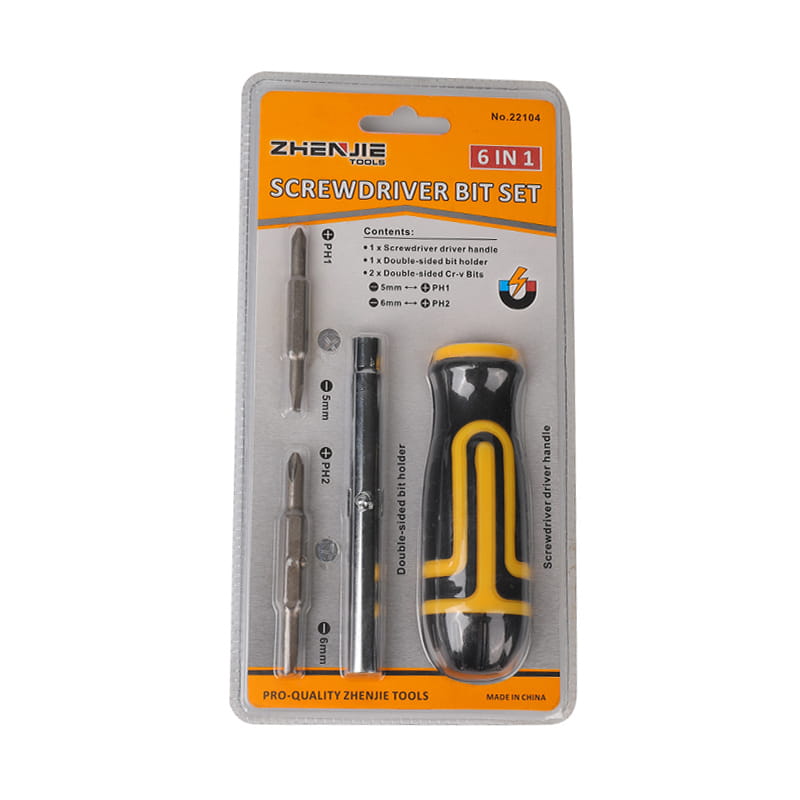
Ratchet Mechanism Types and Why They Change Daily Usability
Three ratchet mechanisms dominate the market, and each behaves differently under load:
- Pawl-and-gear ratchets — the same mechanism used in socket wrenches, offering high torque tolerance but a slightly larger head that limits access in cramped spaces.
- Spring-loaded ball-detent ratchets — smaller and lighter, common in electronics and precision assembly sets, but with a lower torque ceiling.
- Flip-reverse ratchets — a single lever switches direction instantly, which speeds up repetitive assembly-line tasks where a worker alternates between tightening and loosening.
For automotive or heavy equipment work, a pawl-and-gear ratchet handling up to 15-20 Nm is generally sufficient for interior trim and panel fasteners — anything beyond that torque range should move to a torque wrench, not a bit ratchet.
Bit Types Worth Prioritizing
Fastener standards vary by industry, so a set built for a general repair shop looks different from one built for electronics or furniture assembly. The table below breaks down which bit families matter most by use case.
| Bit Type | Common Sizes | Typical Use |
|---|---|---|
| Phillips (PH) | PH0–PH3 | General repair, appliances, furniture |
| Torx (T) | T6–T40 | Automotive interiors, electronics, bicycles |
| Hex | 1.5–8 mm | Furniture assembly, machinery set screws |
| Square (Robertson) | #0–#3 | Decking, cabinetry, North American construction |
| Slotted / Pozidriv | 3–8 mm | Older equipment, European fixtures |
Material Choice Determines How Long Bits Actually Last
The two materials that show up in nearly every ratchet bit set are S2 tool steel and chrome-vanadium (Cr-V). S2 steel is harder and resists cam-out (the bit slipping out of the fastener head under torque), which is why most premium sets use S2 for their driver bits specifically. Cr-V is tougher and more shock-resistant, making it a better fit for sockets and adapters that absorb impact rather than pure torque.
A quick durability check before buying: rounded or worn bit tips after light use almost always trace back to soft, low-grade steel rather than the ratchet mechanism itself. Bits that show a matte, slightly gray finish (black oxide or phosphate coating) typically resist corrosion better in humid shop environments than plain polished chrome finishes.
Bit Length and Access — the Detail Most Buyers Overlook
Standard insert bits run about 25mm, which fits most surface-level fasteners but fails inside recessed holes — deep automotive trim clips, appliance housings, or bracket-mounted screws. Sets that include 50mm or 75mm extension bits solve this without needing a separate extension bar, which is one of the more practical differentiators between a basic set and a well-thought-out one.
A flexible extension shaft is worth having for angled access points, but it should be reserved for low-torque fastening — applying full ratchet force through a flex shaft accelerates wear at the pivot point and shortens its usable life considerably faster than a rigid extension.
Storage and Bit Retention Affect Long-Term Value More Than People Expect
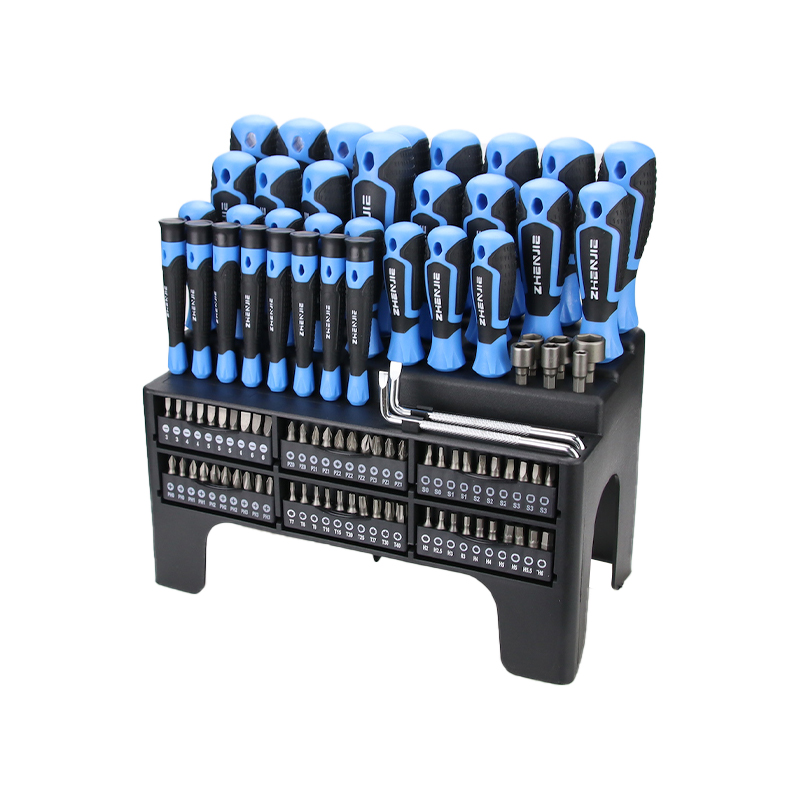
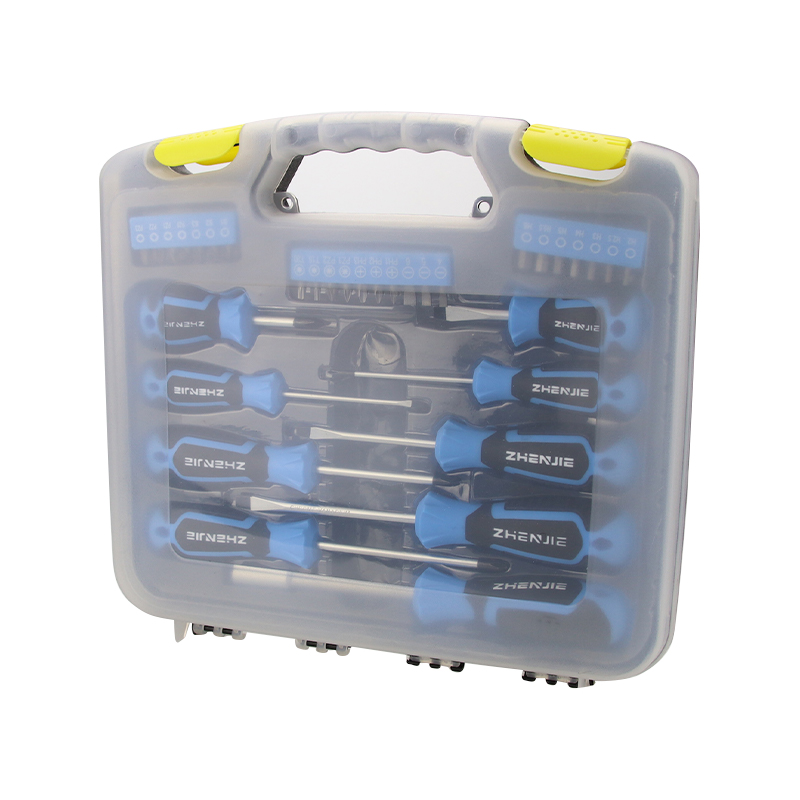
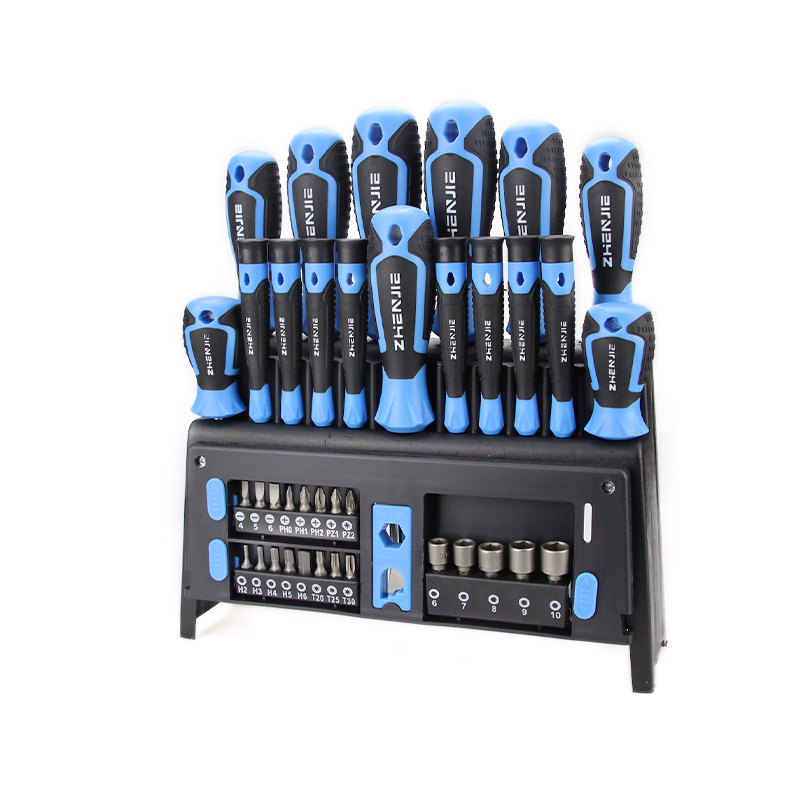
Loose bits in a drawer get lost or damaged within months. The sets that hold up in daily shop use almost always include a molded case with labeled slots per bit size, or a rotating carousel that keeps bits upright and visible. Magnetic bit holders inside the ratchet handle also reduce drop-and-lose incidents when working overhead or in vertical panels.
For teams sharing a single set across a shop floor, a numbered case with a visual checklist (a foam insert showing an empty cutout where a bit is missing) cuts down replacement costs significantly compared to an unmarked pouch — missing bits get noticed immediately rather than at the point of need.