

 English
 русский
 Español
In modern households, the Household Common Screwdriver has become an indispensable basic tool. Whether for daily home repairs, furniture assembly, or simple electronic device maintenance, these screwdrivers provide a reliable and efficient operating experience. It's not just a simple tool, but a core assistant for home DIY and repair work.
I. Materials and Craftsmanship: Ensuring Durability and Precision
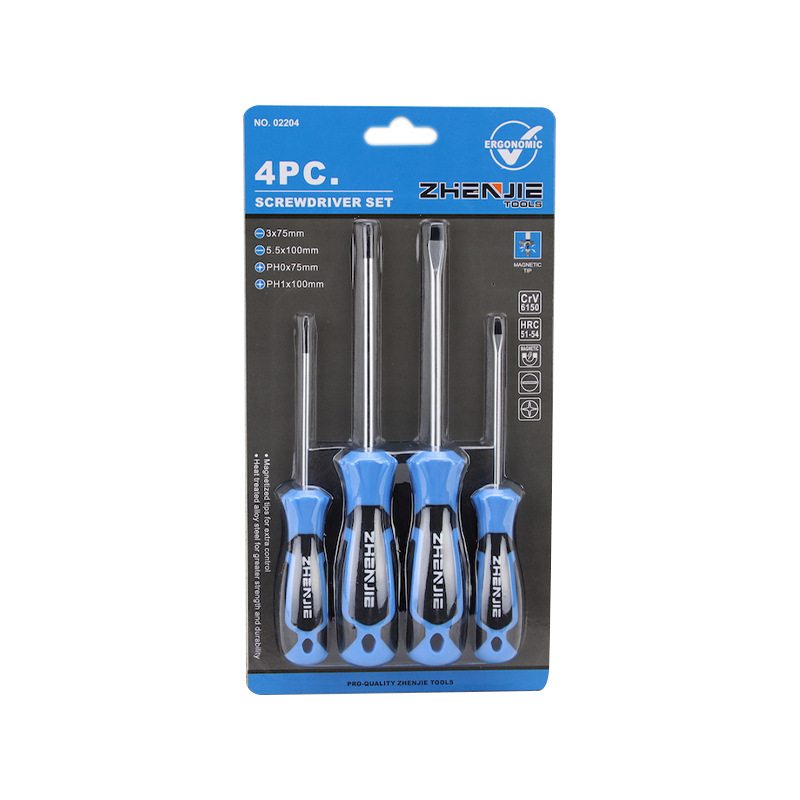
The core value of a Household Common Screwdriver is primarily reflected in its material selection and manufacturing process. The screwdriver head is usually made of high-hardness alloy steel, enhanced through heat treatment to improve wear resistance and strength. High-hardness materials ensure that the tool will not easily wear or deform during use, thus extending its lifespan and maintaining precision with every rotation. The handle is often made of non-slip plastic, rubber, or composite materials, designed ergonomically to improve grip comfort and operational stability. The fine craftsmanship reduces slippage during torque transmission, improving work efficiency and preventing hand fatigue.
In the design of the connection between the screwdriver head and handle, professional Household Common Screwdrivers usually employ an integrated molding or high-strength embedded structure. This design effectively withstands torque impact, reduces the risk of tool breakage, and ensures stable performance even after long-term use.
II. Structure and Types: Adapting to Various Application Needs
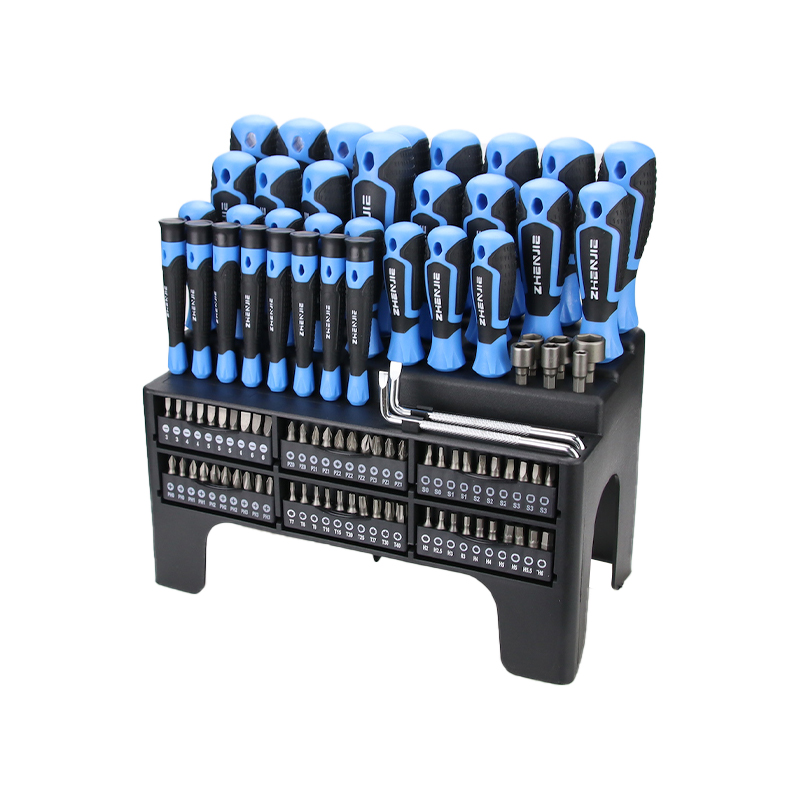
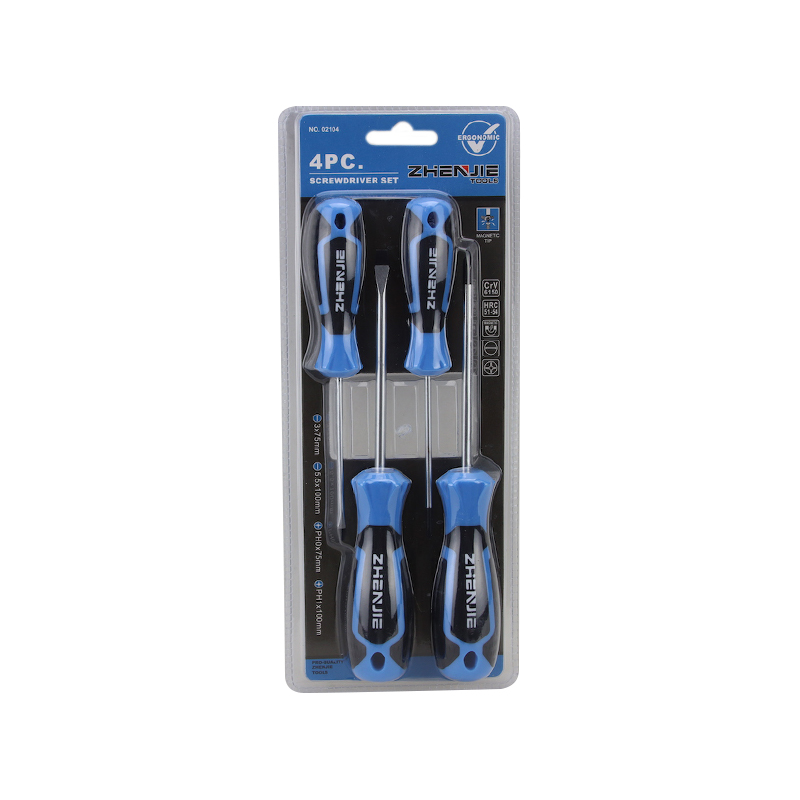
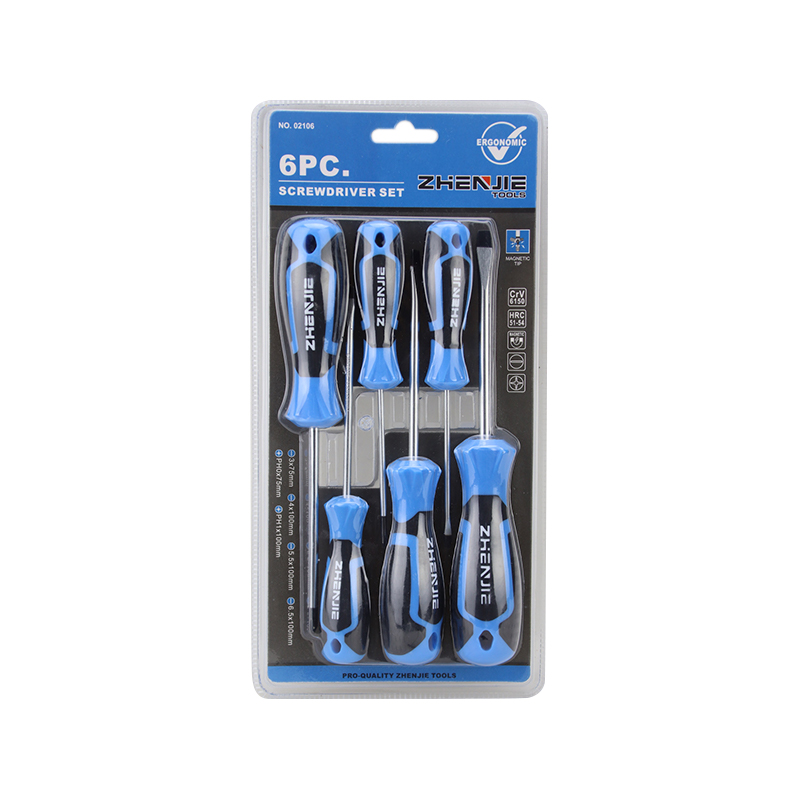
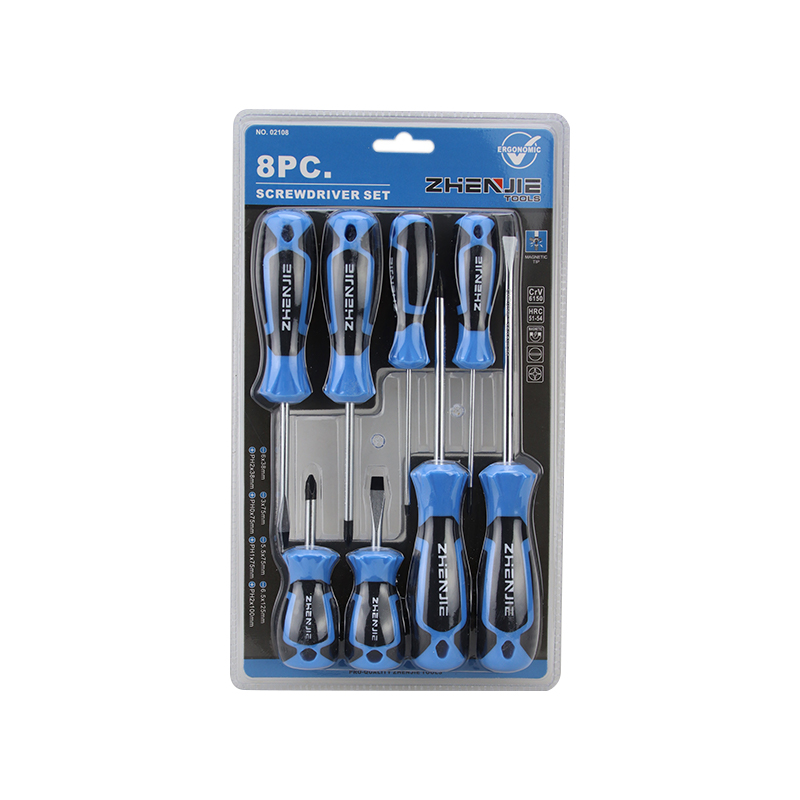
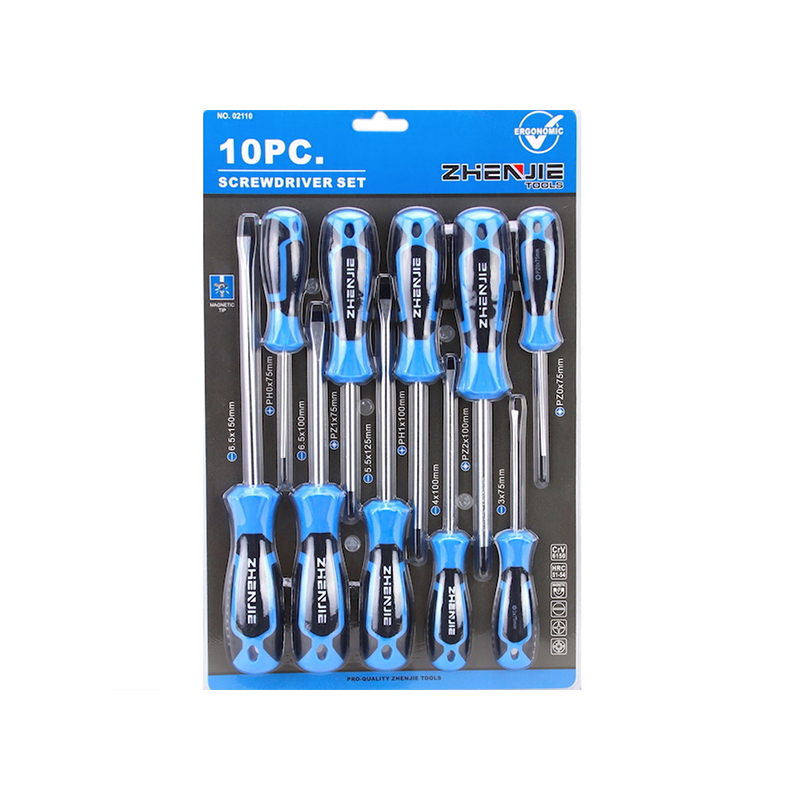
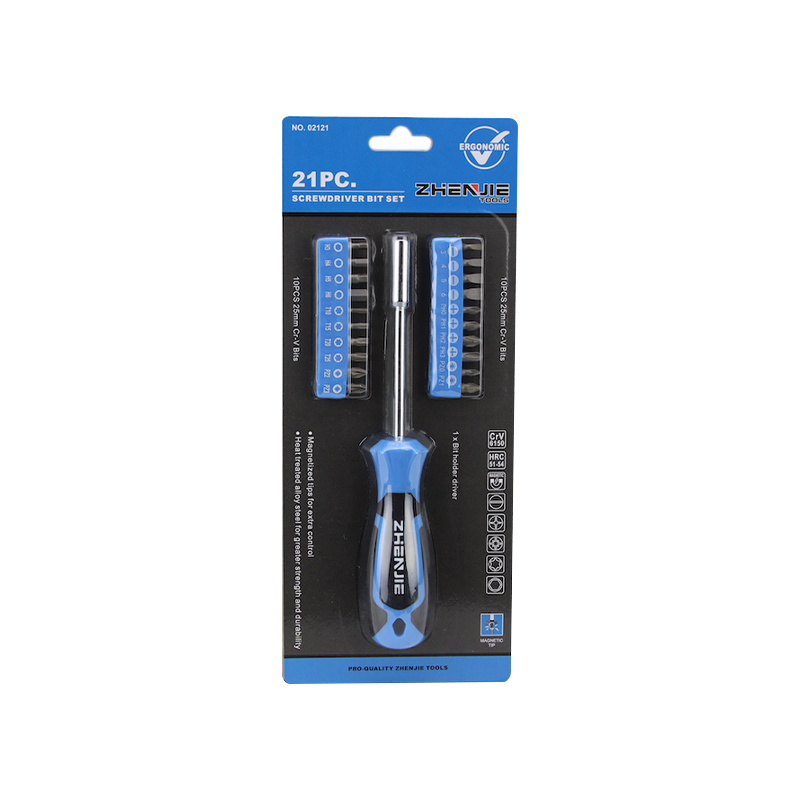
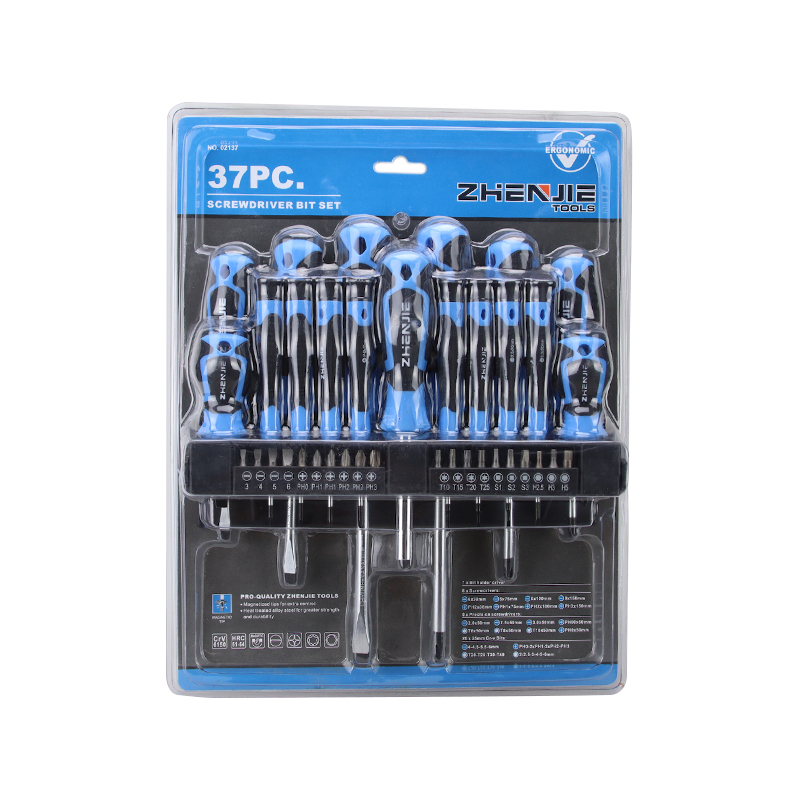
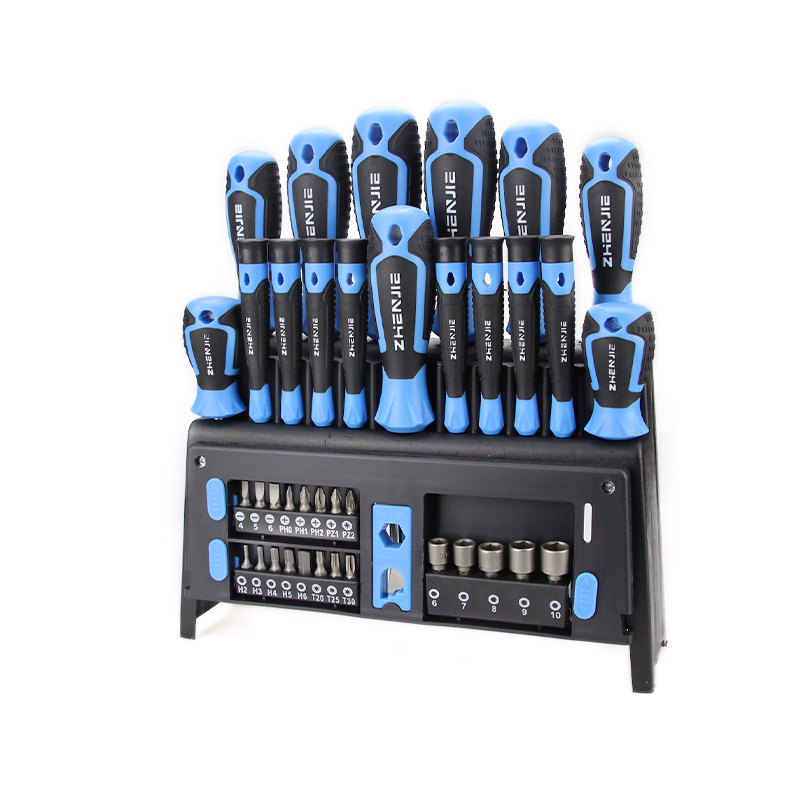
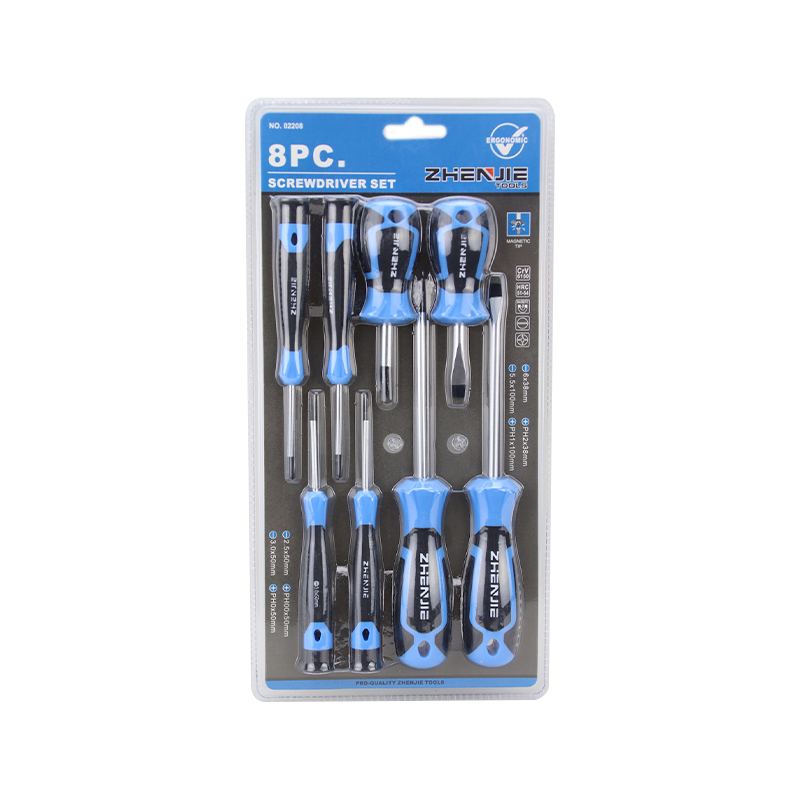
The structural design of household general-purpose screwdrivers directly affects their scope of use and operating experience. Standard screwdrivers are mainly divided into slotted (flat-head) and Phillips (cross-head) types, which are the most common screw types in daily households. In addition, some advanced general-purpose screwdrivers are equipped with a replaceable head system, allowing them to be compatible with screws of different specifications and shapes, enhancing the tool's versatility.
The length of the screwdriver and the shape of the handle are also important design considerations. Short-handled screwdrivers are suitable for working in confined spaces, while long-handled designs provide greater torque, facilitating the disassembly and assembly of fasteners. The handle's textured surface, soft materials, and width ratio are all designed to optimize grip strength and rotational control, making operation more precise and safe.
III. Torque and Precision: Core Performance Indicators
In the professional evaluation of screwdrivers, torque transmission and rotational precision are key performance indicators. High-quality household common screwdrivers ensure that users can tighten screws with minimal force, preventing thread damage or stripping. Especially in the assembly of small appliances or furniture, precise torque control not only protects screws and parts but also reduces hand strain during operation.
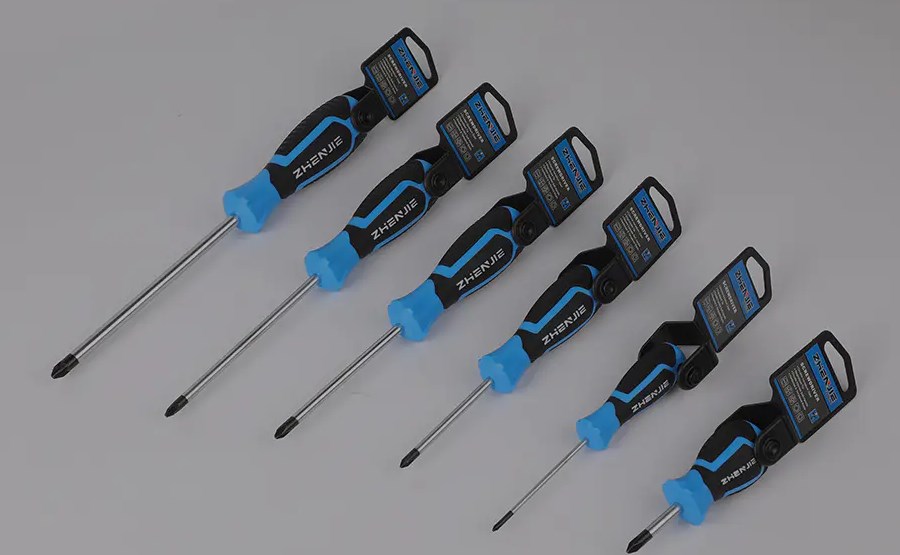
The precision of the screwdriver tip also directly affects its performance. High-quality tools have precisely machined tips with rust-proof surfaces and durable wear resistance. This precision makes screwing in or removing screws smoother, reducing the risk of tool slippage and screw damage.
IV. User Experience: A Combination of Comfort and Safety
Household common screwdrivers emphasize not only functionality but also user experience. The non-slip handle design and ergonomic fit make operation more comfortable, even during prolonged use. Rubber and composite material handles provide a soft touch while ensuring efficient power transfer through reasonable size design.
Safety is also a crucial consideration for Household Common Screwdrivers. High-quality screwdrivers feature a robust design at the handle and tip connection, reducing the possibility of accidental slippage or breakage. Some products also incorporate anti-collision and anti-slip structures at the end of the handle, providing extra protection for everyday use.
V. Maintenance and Care: Key to Extending Tool Life
Proper maintenance and care can significantly extend the lifespan of household common screwdrivers. The tip should be kept clean after use, avoiding dust or metal shavings clogging the gaps. Wipe with a soft cloth and apply a small amount of rust-preventive oil. Avoid exposing the handle to high temperatures or humid environments for extended periods to prevent material aging or deformation.
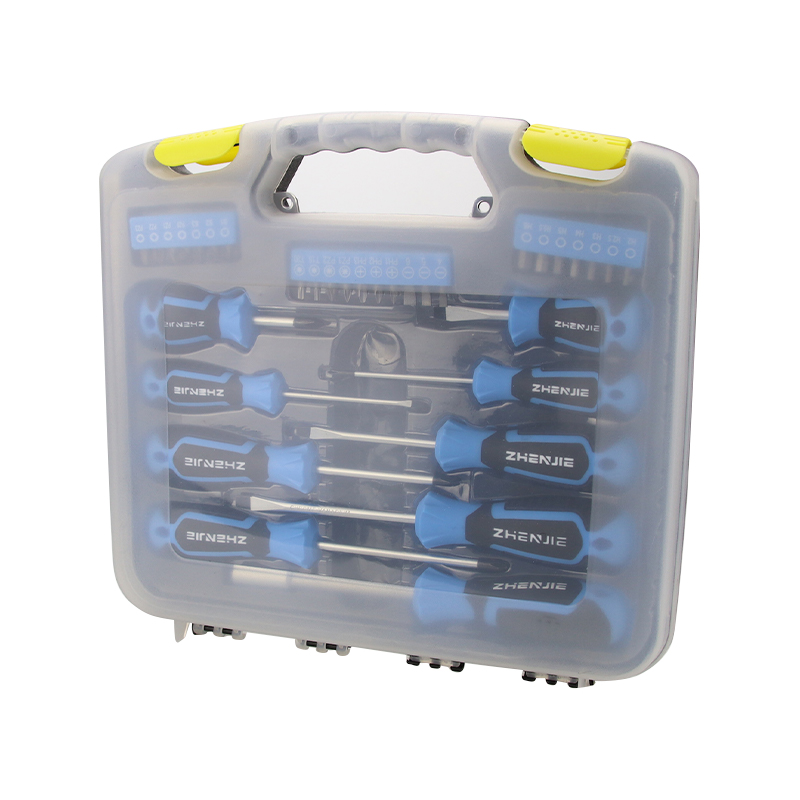
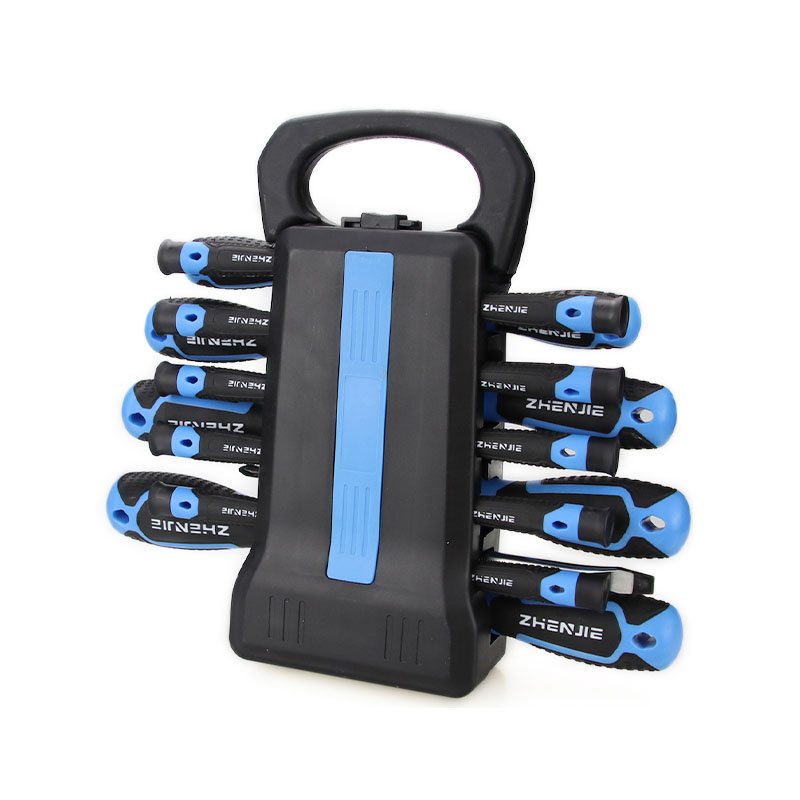
For screwdrivers with replaceable tips, regularly check the connection between the tip and handle to ensure safe and efficient screw rotation every time. Use a dedicated tool box for storage, neatly organizing different sizes of screwdrivers to reduce the risk of tool loss and accidental damage.
VI. Purchasing Advice: Focus on Core Product Characteristics
When purchasing a Household Common Screwdriver, focus on material hardness, handle design, tip precision, and overall structural stability. High-quality materials and precision craftsmanship ensure the reliability of the screwdriver in various household scenarios, while ergonomic handle design enhances operating comfort and safety. Multifunctional designs or interchangeable bit systems allow the tool to adapt to a wider range of home repair needs.
FAQ — Common Questions about Household Screwdrivers
Q: What should I do if the screwdriver tip wears out easily?
A: If the tip wears out, it should be replaced promptly or sharpened with a grinding tool to maintain rotational accuracy. Avoid using it on materials that are too hard to extend the tip's lifespan.
Q: How much does the handle material affect the user experience?
A: The handle material directly affects grip comfort, anti-slip properties, and operational stability. Rubber or composite material handles usually provide the best feel and safety.
Q: Are screwdrivers with interchangeable bits worth buying?
A: The interchangeable bit design increases the tool's versatility, making it suitable for home users who need to work with various screw sizes, thus enhancing its overall value.
Q: How can I ensure it doesn't rust with long-term use?
A: Keeping the tip clean, applying rust-preventive oil, and avoiding storage in humid environments can effectively prevent the screwdriver from rusting.