

 English
 русский
 Español
Three screws into a cabinet install, the bit drops out of the holder again, and the fastener strips before you can react. That is not a hardware failure; it is a retention failure, and it costs you a trip to the toolbox, a damaged screw head, and ten minutes of a job that should have taken two. Magnetic vs non-magnetic bit holders solve this problem through different mechanisms, and the right choice depends on the kind of driving you do most.
This guide compares magnetic vs non-magnetic bit holders on retention force, torque behavior, and application fit, then shows which mechanism belongs on your bench, in your bag, or on your production line.
Bit holder: a short adapter that grips a driver bit on one end and connects to a handle, drill, or impact driver on the other. Its two jobs are to transfer torque without wobble and to keep the bit from falling out mid-task.
What a Bit Holder Does and Why Retention Matters
Retention is the axial force, measured in newtons (N), that resists pulling the bit out of the holder. Weak retention shows up as bit wobble at speed, dropped bits during overhead work, and slower changes on an assembly line.
Two families cover the market. Magnetic holders use a magnetized tip or a magnetic ring around the socket. Non-magnetic holders use a mechanical lock: a spring-loaded ball bearing that seats into the detent groove of a standard 1/4-inch hex bit, or a friction collet that squeezes the hex shank. The mechanism decides insertion feel, impact behavior, and whether the holder is safe near electronics.
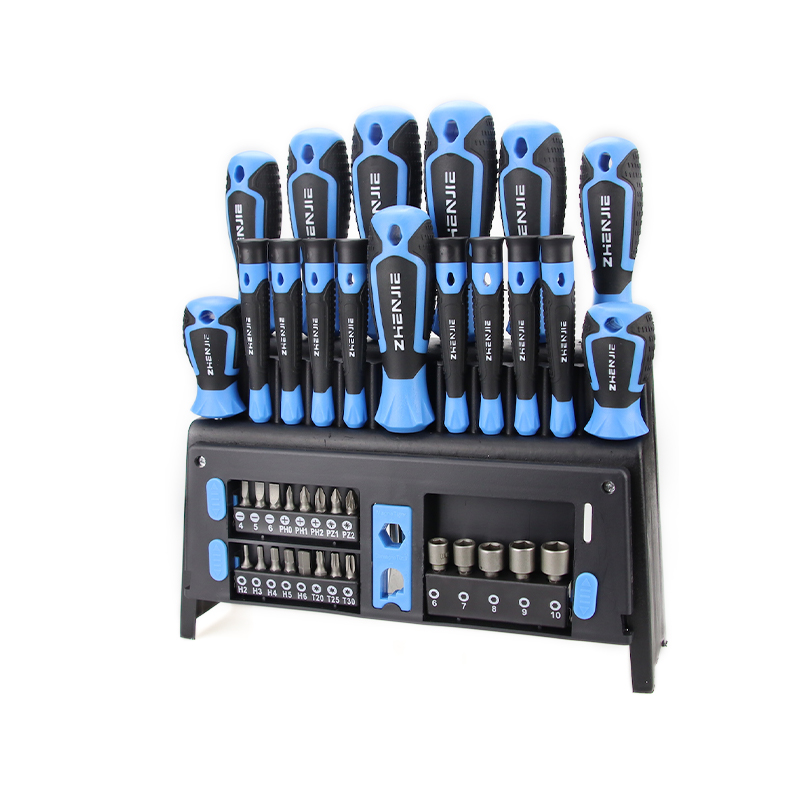
These numbers matter because torque transfer is rarely the weak link; most steel holders carry more torque than the driver delivers. Alignment is the weak link: a bit that floats in its socket rounds off fastener heads and shortens bit life. A firm grip keeps the drive tip engaged. The same logic applies to a screwdriver bit holder set with handle, since each socket still uses the same magnet or detent mechanism.
Magnetic Bit Holders: Speed, Screw Pickup, and Their Limits
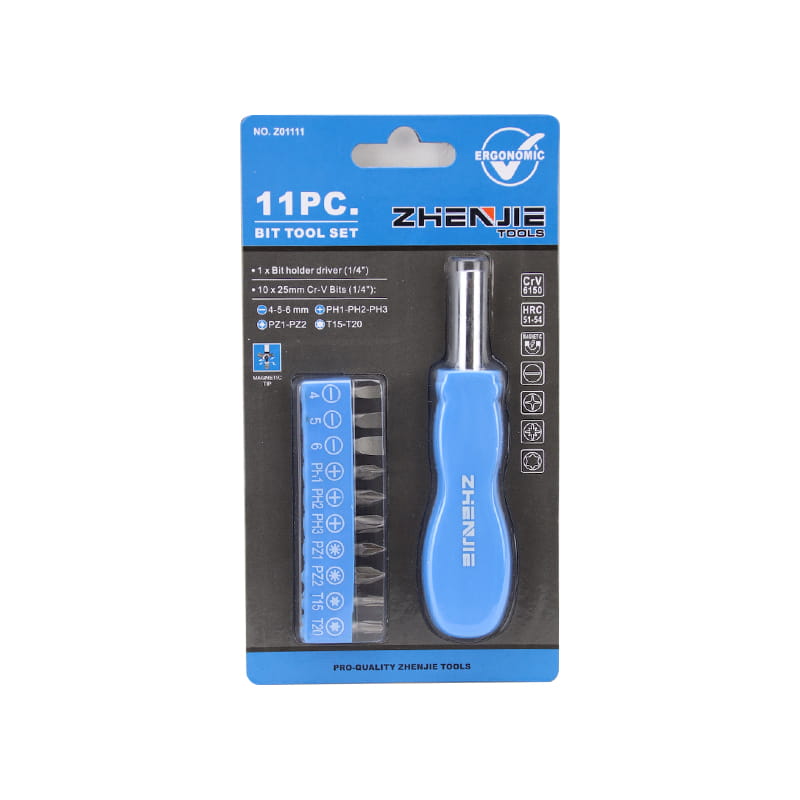 11-Piece Magnetic Tip Bit Holder Driver SetThis set combines a magnetic holder with multiple driver tips, suited for fast assembly tasks where one-handed fastener starting in recessed holes improves efficiency.View Product →
Magnetic bit holders win where speed matters. The magnet pulls the screw onto the bit, letting you start a fastener in a recessed hole with one hand. That removes an entire category of fumbling in furniture assembly, appliance trim, and cabinet work.
Strength depends on where the magnet sits. A magnetized tip holds the bit with only a few newtons, enough for light driving. A magnetic ring around the socket holds the bit far more firmly and still pulls screws onto the tip. Cheap holders use ferrite; quality holders use neodymium rings with consistent pull across the whole socket.
- Screws stay on the bit, enabling one-handed starts in tight corners.
- Overhead work gets safer because the screw travels with the bit.
- Bit changes stay fast because there is no detent to push against.
Trade-offs are real. Residual magnetism transfers to fasteners and nearby steel, which matters around sensors and magnetic media. The magnet collects filings that accelerate socket wear. Tip-only holders also lose strength after impacts and heat, so they rarely suit impact driving.
Non-Magnetic Bit Holders: Mechanical Grip for High Torque and Clean Work
 Double-Sided Slotted and Phillips Bit SetThis two-in-one bit set offers both slotted and Phillips tips on one tool, providing a mechanical grip alternative for applications where magnetic bits could cause issues.View Product →
Non-magnetic bit holders grip the bit mechanically, so retention does not depend on magnet size. A spring-loaded ball seats into the detent groove of a standard 1/4-inch hex bit and holds it until you pull hard enough. A friction collet squeezes the shank instead, which suits bits without a detent groove.
This design wins in three situations. Electronics repair and instrument work cannot tolerate a magnetic field near logic boards or drives. High-torque impact driving rewards a holder that keeps the bit locked while the hammer mechanism fires. Long production shifts benefit from a detent whose spring tension stays predictable through tens of thousands of cycles.
- No magnetic field near sensitive components or magnetic media.
- Consistent bit retention under impact and high torque.
- Works with all standard bits, including non-magnetized and ceramic types.
Insertion feel differs too. A detent needs a firm push and gives a positive click, which some read as confidence and others as friction. Over a long shift that click costs a fraction of a second per change, a small price when the alternative is a bit dropping into a server chassis.
Magnetic vs Non-Magnetic: Side-by-Side Comparison
The differences collapse into five measurable areas: retention force, screw pickup, magnetism risk, high-torque behavior, and wear over time. The chart shows typical axial retention for the four common mechanisms, measured on new 1/4-inch hex bits.
Typical axial retention force by bit-holder mechanism, new 1/4-inch hex bit
Illustrative typical values from common bit-holder specifications; actual results vary by magnet grade, spring rate, and bit tolerance.
The table maps each criterion to the mechanism that handles it best.
| Criterion | Magnetic holder | Non-magnetic holder |
| Retention mechanism | Magnetized tip or ring magnet | Spring ball detent or friction collet |
| Typical axial retention | 3.5-18 N depending on magnet placement | 9-14 N depending on spring rate |
| Screw pickup | Yes, fastens screw to bit tip | No, requires a magnetic bit or magnetizer |
| Electronics safety | Can leave residual magnetism on parts | No magnetic field, safe for logic boards and drives |
| High-torque or impact work | Tip-only models slip; ring models cope better | Detent keeps bit locked under impact |
| Wear over time | Magnetism fades with heat and impact | Spring tension degrades slowly, replaceable part |
Magnetic vs Non-Magnetic Bit Holders: How to Choose by Application
Choose by the failure you are eliminating. Dropped screws cost you time, go magnetic. Dropped bits or stray magnetism cost you workpieces, go mechanical.
Choose a magnetic holder when
- You start screws one-handed in recessed or overhead positions.
- You work on furniture, appliances, drywall, or assembly jigs.
- You change bits constantly and want zero insertion resistance.
Choose a non-magnetic holder when
- You repair electronics, instruments, or equipment with magnetic media.
- You drive with an impact driver and need a firmly locked bit.
- You want the same retention months from now, not a fading magnet.
Three checks before you buy
- Insert a fresh bit and measure lateral play. More than 0.5 mm of wobble at the tip wastes torque and rounds fasteners.
- Test retention with the exact bits you plan to use. Bits with shallow detent grooves suit collet holders better than detent holders.
- Check where the magnet sits. A ring magnet gives far stronger retention than a magnetized tip, and no magnet at all is the only safe option near sensitive electronics.
For most technicians, the answer is both: a magnetic ring holder on the bench for assembly, a non-magnetic detent holder in the bag for electronics and field jobs.
Quality Checks for Buyers and OEM Teams
 16-in-1 Magnetic Tip Bit Holder Driver SetThis multi-function driver set integrates a magnetic bit holder with 16 tips, offering a versatile option for technicians needing reliable retention across various fastening tasks.View Product →
If you source bit holders for retail shelves or production lines, the spec sheet matters less than the tolerances the factory actually holds. Three factors separate a holder that feels solid from one that rattles.
- Hex socket tolerance: the socket must match the 6.35 mm (1/4-inch) hex standard within a few hundredths of a millimeter. A loose socket is the main cause of bit wobble.
- Magnet grade: neodymium rings hold consistent pull; ferrite magnets fade quickly and test poorly on the shelf.
- Steel and heat treatment: chromium-vanadium (CRV) steel with proper hardening resists socket wear; soft steel rounds out in weeks of impact use.
Ask suppliers for three pieces of evidence: a pull-force test on bit retention, an insertion-removal cycle test, and a torque-transfer check. A manufacturer with in-house CNC machining and its own testing lab, such as JIANDE ZHENJIE HARDWARE TOOLS CO., LTD., runs these checks on the same lines that produce the holders, which shortens the feedback loop compared with a trading company.
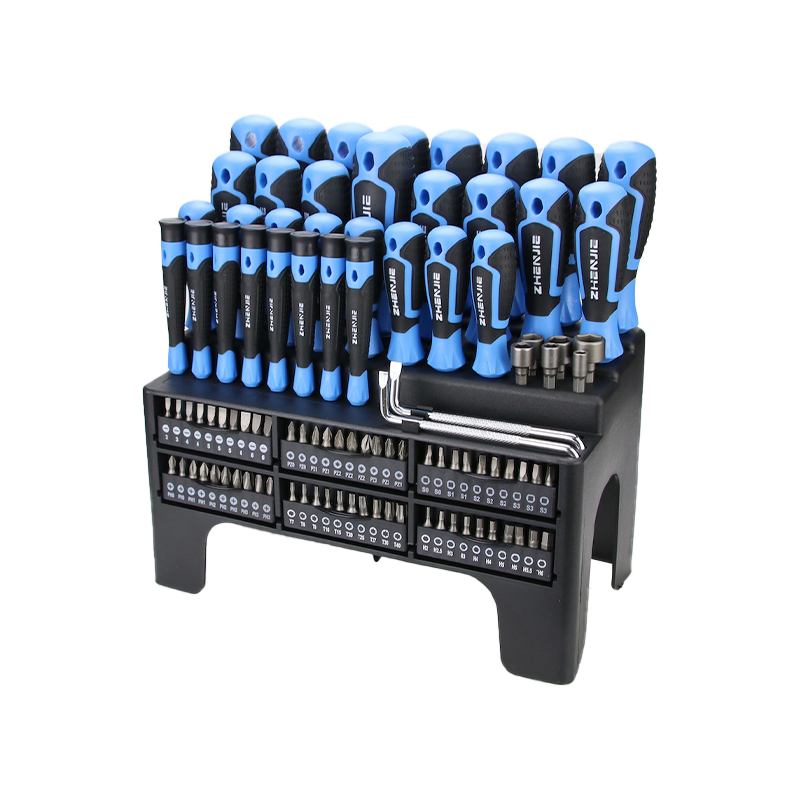
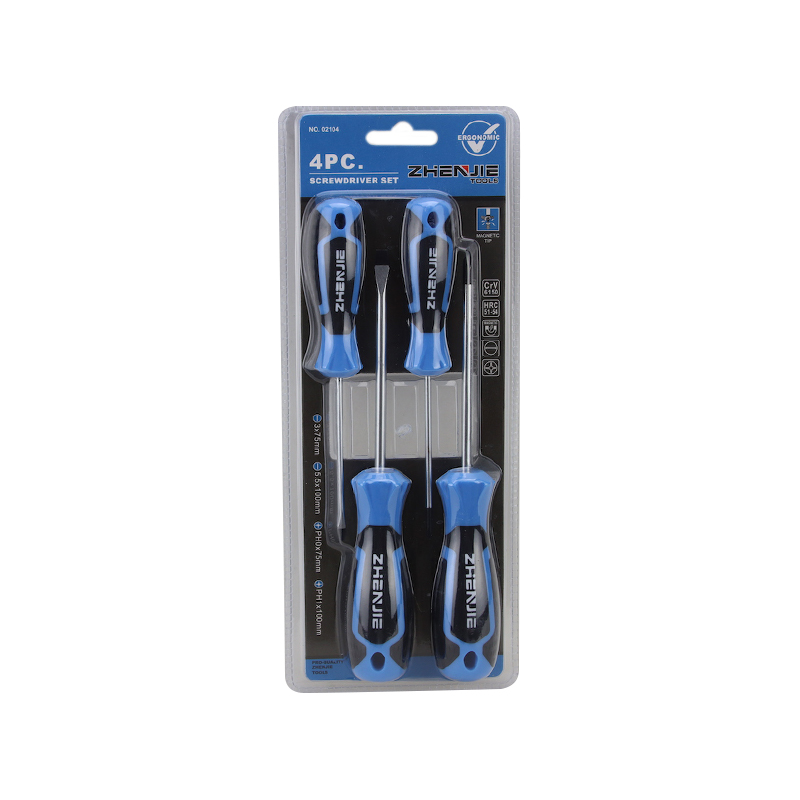
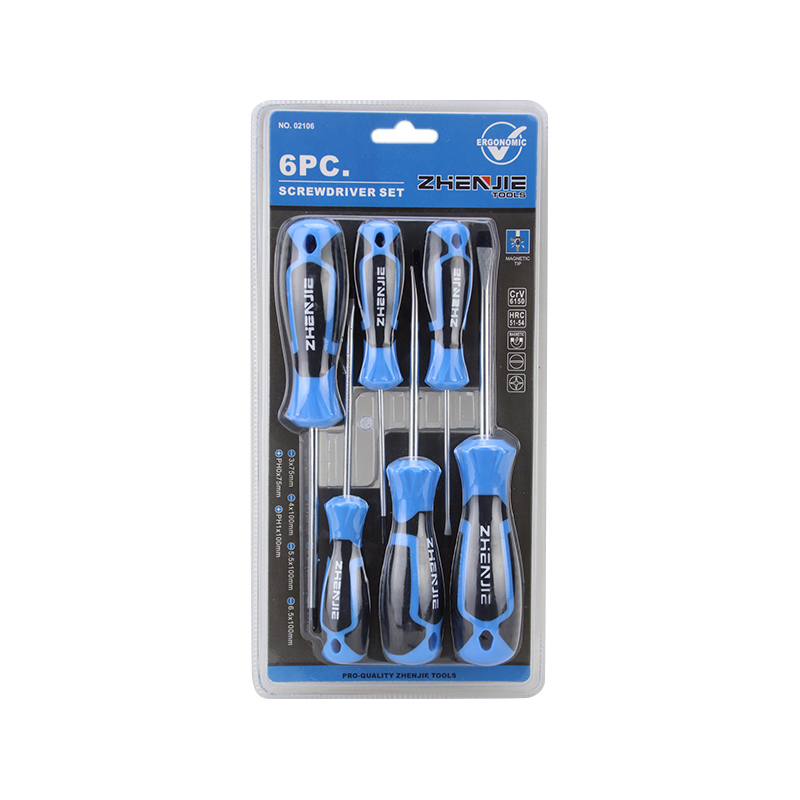
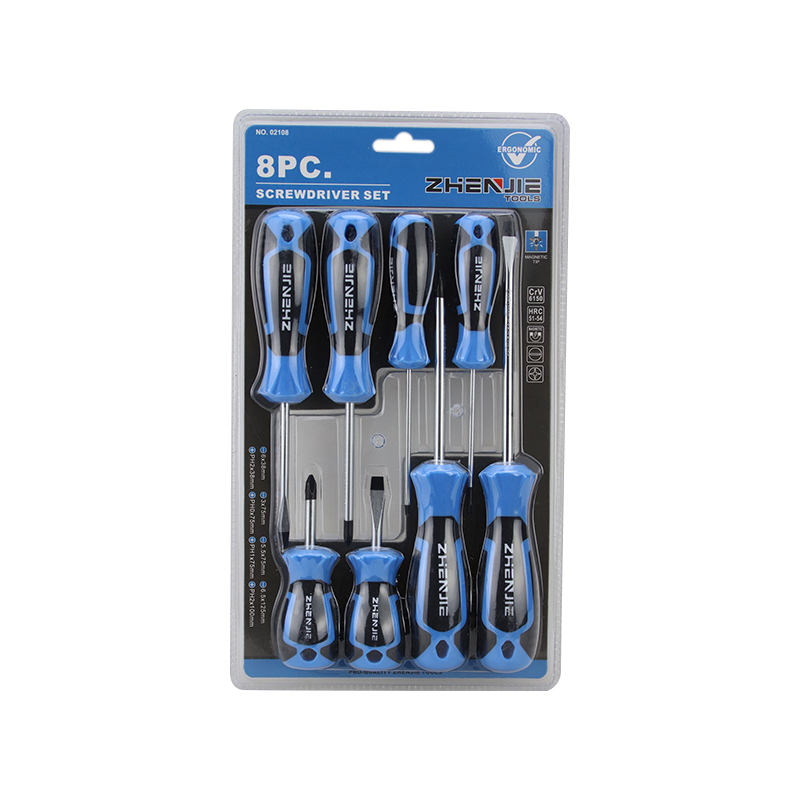
Zhenjie's range includes magnetic-tip bit holder sets from 6-in-1 to 16-in-1, double-sided non-magnetic holders, and full bit sets in retail-ready packaging. Send your drawings through the contact form and the engineering team will quote tolerances, magnet grade, and packaging options before you commit to a container.
Magnetic vs Non-Magnetic Bit Holders: FAQ
Are magnetic bit holders safe to use on electronics?
No. A magnetic holder can leave residual magnetism on screws and nearby components, which interferes with sensors, drives, and logic boards. For electronics work, use a non-magnetic detent holder with non-magnetized bits.
Can a magnetized tip hold a screw for overhead work?
For light screws, yes. For heavier fasteners, a magnetic ring around the socket gives several times more pull force and holds the screw reliably until the threads engage.
Do non-magnetic holders work with magnetic bits?
Yes. A non-magnetic holder adds no field of its own; if the bit is already magnetized you still get screw pickup at the tip while keeping the socket area free of magnetism.
How long does a bit holder magnet last?
A quality neodymium ring holds its strength through tens of thousands of insertions. Magnetized-tip holders fade faster after overheating or repeated impacts. A spring detent usually outlasts both, and its spring is replaceable.