

 English
 русский
 Español
In modern mechanical repair and various repair tasks in daily life, the choice of tools is undoubtedly crucial to efficiency and work quality. Among many tools, the Ratchet Bit Set is undoubtedly one of the most popular and practical. Its unique design and excellent user experience make it the preferred tool for various repair tasks.
Definition and Construction of a Ratchet Bit Set
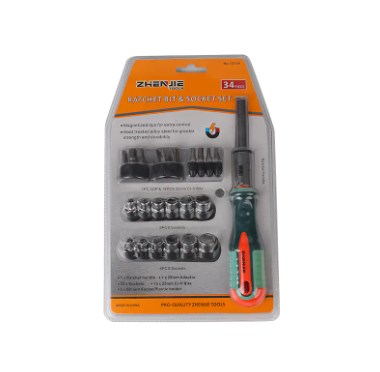
A Ratchet Bit Set is a tool combination consisting of one or more ratchet wrenches and several wrench heads of different sizes. The biggest feature of a ratchet wrench is its ability to rotate continuously without having to reset the wrench to the starting position each time. This design makes it particularly suitable for operation in confined spaces and can greatly improve work efficiency.
Typically, a ratchet wrench consists of three parts: the wrench head, the ratchet mechanism, and the handle. Different sizes of wrench heads can be changed to suit different nuts or bolts to meet different repair needs. The ratchet mechanism is the key part that distinguishes a ratchet wrench from an ordinary wrench. Through its built-in gear structure, it allows the user to complete the rotation by applying force in only one direction, without having to realign it each time.
How Ratchet Bit Sets Work
Ratchet wrenches work based on an interlocking mechanism between a ratchet and a pawl. The ratchet is a device consisting of a toothed disc, and the pawl is a component that matches its teeth. When operated, the user applies force to rotate the ratchet, and the pawl "locks" as the gears rotate, achieving a locking effect. Through this mechanism, the ratchet wrench allows the tool head to rotate in a fixed direction without needing to readjust the angle, a design that greatly saves time and effort.
This characteristic of ratchet wrenches is particularly suitable for work scenarios requiring multiple rotations, such as repairing automobiles, household appliances, and machinery. Compared to traditional straight-line wrenches, ratchet wrenches not only improve work efficiency but also make operation smoother, avoiding frequent realignment and adjustments.
Types and Selection of Ratchet Bit Sets
Ratchet wrench sets come in a wide variety, and choosing the right set can effectively improve work efficiency. Generally, ratchet wrench sets are classified according to the following criteria: specifications, material, number of accessories, and application scenario.
Specifications and Sizes
The specifications and sizes of a ratchet wrench are among the most critical factors when choosing one. Common sizes include 1/4 inch, 3/8 inch, and 1/2 inch, and the choice should be based on the bolt size. Larger ratchet wrenches are more suitable for handling large bolts or nuts, while smaller ratchet wrenches offer greater precision for delicate work.
Material
The material of a ratchet wrench directly affects its durability and pressure resistance. High-strength steel, stainless steel, and chromium-molybdenum alloys are common choices. These materials not only have strong corrosion resistance but can also withstand high workloads, making them suitable for various heavy-duty operations.
Accessories and Add-ons
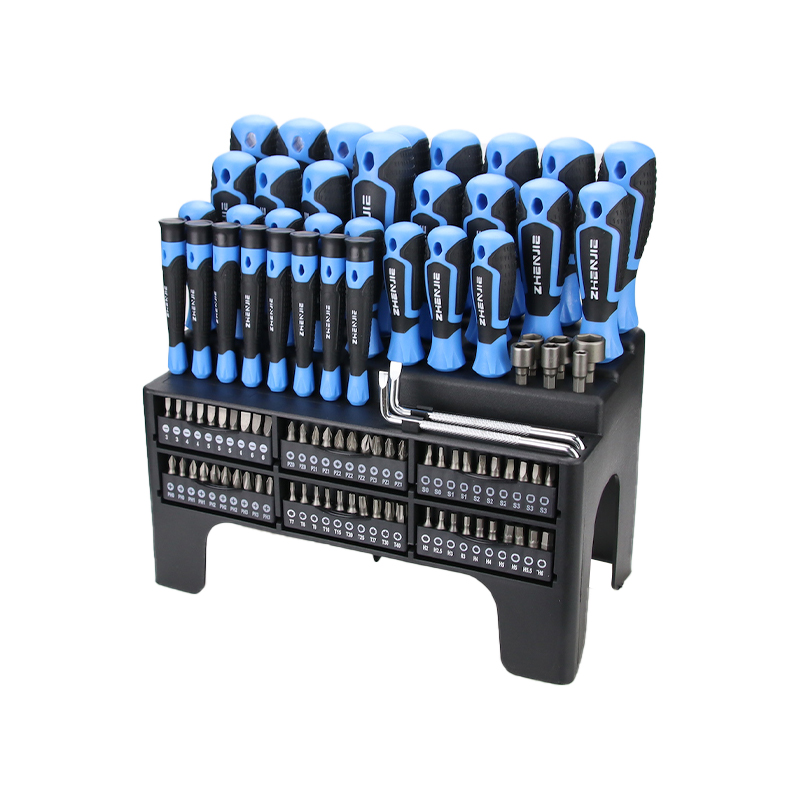
The number and type of accessories in a ratchet wrench set are also important considerations. Common accessories include different sizes of wrench heads, extension bars, and bends. This diversity of accessories can meet the needs of different repair environments, from confined spaces to complex machinery.
Usage Scenarios
Choosing the right ratchet wrench set also requires considering the intended use scenario. If primarily used for automotive repair, a set including standard sizes and extended accessories is recommended; for minor appliance repairs, a small ratchet wrench set is sufficient.
Advantages of Ratchet Wrench Sets
The advantages of ratchet wrench sets extend beyond work efficiency, significantly improving safety and convenience during repairs. Ratchet wrenches eliminate the need for frequent hand switching compared to traditional wrenches, greatly reducing fatigue caused by improper operation. The ratchet design allows operation in confined spaces, making them ideal for repair environments with narrow spaces and complex angles.
The grip design and material selection of ratchet wrenches are also carefully considered, providing a better grip experience and reducing the risk of hand slippage. Some high-end ratchet wrench sets also feature non-slip handles, maintaining good operability even in oily or slippery environments.
How to Use a Ratchet Wrench Set Correctly?
Proper use of a ratchet wrench set not only improves work efficiency but also extends the tool's lifespan. When using a ratchet wrench set, first select the appropriate wrench head size based on the bolts or nuts to be disassembled or installed. During installation, ensure a secure connection between the wrench head and the ratchet wrench to prevent loosening and potential safety issues.
During operation, the user should maintain a consistent force, avoiding excessive force to prevent damage to the bolt or the tool itself. For tighter bolts, increasing the wrench angle can help increase the range of force applied. For bolts in confined spaces, using an extension rod or bendable attachment can provide more operating space.
Maintenance and Care of Ratchet Wrench Sets
To ensure the ratchet wrench set remains in optimal condition, proper maintenance is crucial. After each use, clean the tools, especially the ratchet mechanism, to prevent the accumulation of oil and debris. Regularly check the wrench head and ratchet mechanism for wear; if wear is found, replace the relevant parts promptly to avoid affecting performance.
Additionally, ratchet wrenches should be stored in a dry, well-ventilated environment, avoiding prolonged exposure to moisture or high temperatures to prevent rust or aging. For frequently used ratchet wrenches, add lubricant as needed to ensure smooth rotation.
FAQ
1. What is the difference between a ratchet wrench and a regular wrench?
The biggest difference between a ratchet wrench and a regular wrench is its built-in ratchet mechanism, which allows continuous rotation in the same direction without needing to re-align after each release, greatly improving work efficiency and convenience.
2. How to choose the right ratchet wrench set?
When choosing a ratchet wrench set, first, select the appropriate specifications based on the usage scenario and bolt size. Secondly, the material selection is crucial; high-quality steel ensures long-term durability. Finally, the variety of accessories should also be considered to ensure it can handle various repair tasks.
3. Can the ratchet mechanism of a ratchet wrench malfunction?
As the core component of a ratchet wrench, the ratchet mechanism can indeed wear out or malfunction due to prolonged use. However, with regular maintenance and avoiding excessive force, the ratchet mechanism generally has a long lifespan.
4. What repair work is a ratchet wrench set suitable for?
Ratchet wrench sets are ideal for scenarios requiring efficient and quick operation, such as car repair, mechanical repair, and some everyday household repairs.